About The City of Masks
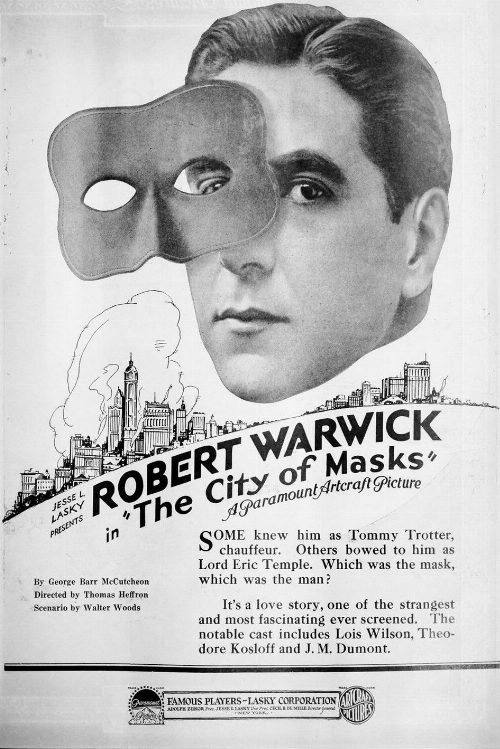
After immigrating to America, a handful of European nobles find themselves living and working as common laborers. They join together one night a week to maintain the Continental style they once were accustomed to.
The City of Masks serves as a fascinating historical artifact that highlights the early twentieth-century American fascination with the displaced aristocracy of Europe. While contemporary Indian cinema often explores the juxtaposition between tradition and modernity through the lens of migration or the clash of social classes, this silent-era production captures a uniquely Western iteration of that struggle. By focusing on a group of former elites forced into the mundane grind of labor, the film taps into a universal anxiety regarding identity and the loss of status. It positions itself as a character-driven comedy-drama that prioritizes the internal dignity of its protagonists over the harsh realities of their new surroundings, offering a poignant look at how individuals cling to the vestiges of their past when their present circumstances demand total assimilation.
Viewers who enjoy the nuanced social commentaries found in the works of directors like Hrishikesh Mukherjee or the ensemble storytelling typical of modern Malayalam dramas will likely appreciate the structure here. It functions much like a period piece that examines the rigidity of social hierarchies, albeit with a lighter, more whimsical tone than the heavy-handed melodramas of its time. The performance of Robert Warwick provides a steady anchor for a narrative that could easily have veered into farce. By choosing to depict these characters as they retreat into a weekly ritual of cultural preservation, the film explores the psychological necessity of community, a theme that resonates deeply with global audiences who have experienced the complexities of living between two worlds.
For modern cinephiles, this production stands out as a bridge between the theatrical sensibilities of the stage and the burgeoning language of early film. Thomas N. Heffron directs with an eye for the ironic, ensuring that the comedic elements never fully eclipse the inherent sadness of his characters' predicament. It is a film for those who appreciate character studies that examine human resilience rather than relying solely on plot-driven spectacle. Whether one is interested in the evolution of immigrant narratives or simply seeking a glimpse into the sophisticated storytelling techniques that defined the silent era, this film offers an engaging perspective on how we perform our identities in the face of radical change. It remains a compelling reminder that even when the world strips away our titles and privileges, the rituals we construct for ourselves become the true pillars of our existence.
Cast(14)