About The Corpse
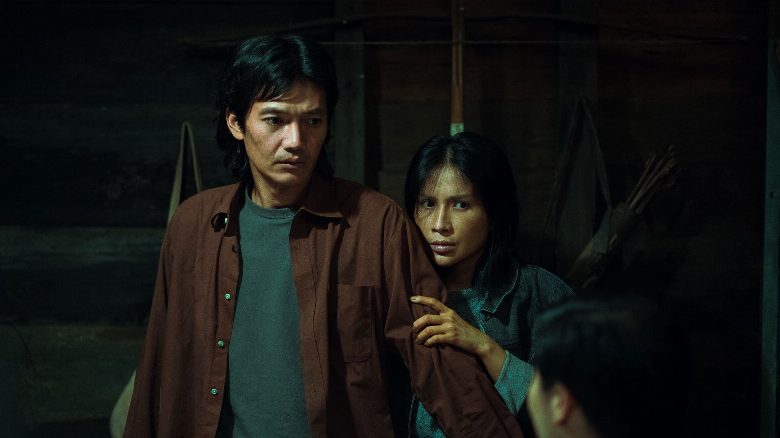
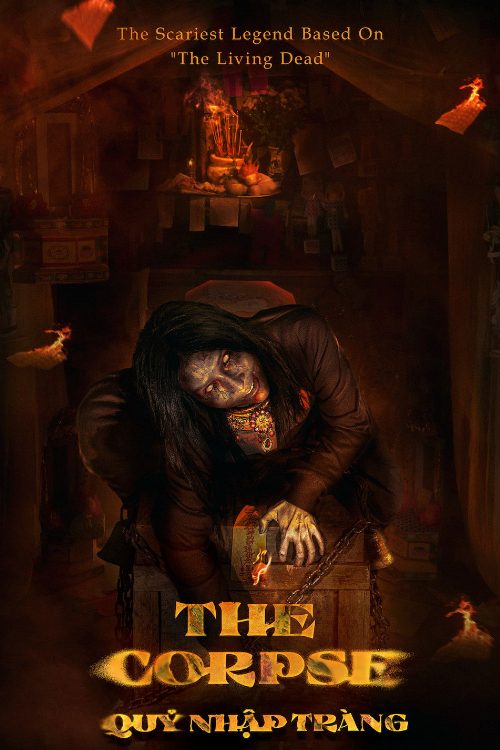
Quang, a destitute man arrives to collect the body of his wife, Nhu, a woman taken from him too soon by a tragic accident. But grief takes an unthinkable turn when Quang discovers her lifeless form has been possessed by a malevolent spirit, her body now a vessel of unnatural life. Desperate and tormented, Quang embarks on a harrowing journey to restore balance and peace, seeking the aid of a local mystic, Master Mo, who holds the key to expelling the spirit. Yet, as the ritual unfolds, he is faced with an impossible decision: to banish the entity and sever his final connection to the woman he loves or live with a cruel illusion that allows evil spirit to revitalize her corpse.
Vietnamese cinema has increasingly leaned into the intersection of folklore and visceral dread, and The Corpse arrives as a chilling expansion of this trend. Director Pom Nguyen crafts a narrative that functions as both a supernatural thriller and a profound exploration of human attachment, grounding its supernatural elements in the raw, aching reality of a widower’s mourning. The story centers on Quang, a man whose attempt to reclaim his late wife from a tragic fate spirals into a nightmare when her physical remains show signs of an unholy awakening. By moving beyond simple jump scares, the film positions itself as a character study of grief, challenging the audience to consider how far a person might go to cling to a ghost of their past, even when that ghost is inherently dangerous.
The cultural resonance of the film lies in its treatment of death and the afterlife, themes that remain deeply potent in Southeast Asian storytelling. The inclusion of figures like the mystic Master Mo suggests a narrative steeped in traditional rituals, providing a grounded, localized texture that distinguishes it from Western exorcism tropes. With a cast that includes seasoned performers like Thanh Nam and Kha Nhu, the production balances its darker genre beats with the emotional weight necessary to sell such a high-concept premise. The tension between the protagonist’s desperate devotion and the sinister nature of the entity within his home creates a claustrophobic atmosphere, making the central moral dilemma feel genuinely suffocating rather than merely performative.
Audiences who appreciate the deliberate pacing and atmospheric dread found in modern Asian horror will find this project particularly compelling. It is a film for viewers who prefer psychological stakes over mindless carnage, prioritizing the internal torment of the lead character over standard monster movie mechanics. As the narrative forces Quang to choose between the safety of the living and the hollow comfort of a possessed shell, the film taps into universal anxieties about loss and the inability to let go. For those following the evolution of the Vietnamese horror market, this feature represents a sophisticated shift toward stories that use the supernatural as a mirror for human frailty. It is a haunting addition to the 2025 release slate, poised to leave spectators questioning the boundaries between devotion and madness long after the credits roll.