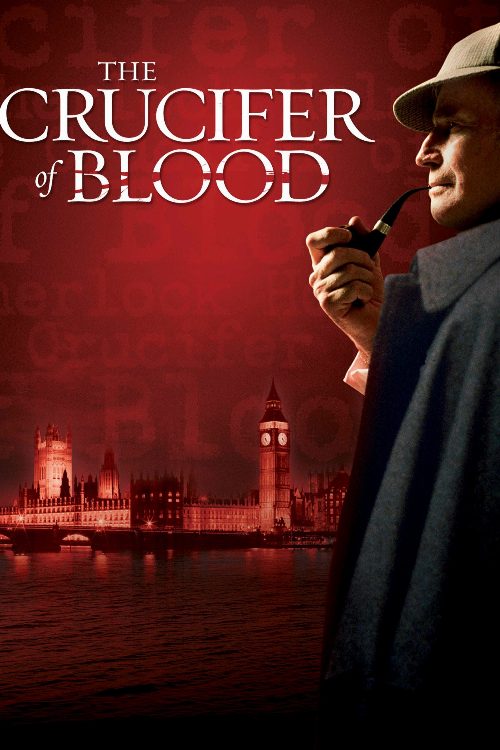
The Crucifer of Blood(1991)
About The Crucifer of Blood
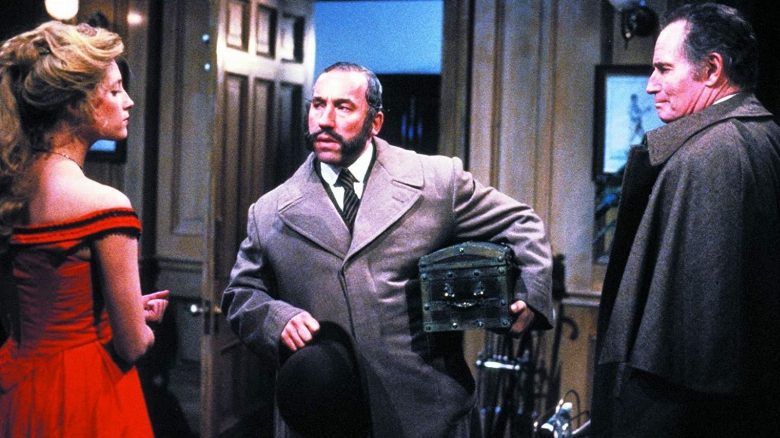
A beautiful young woman asks Holmes to help her father, a former army captain and hopeless opium addict break free of the curse surrounding a stolen treasure.
Stepping into the fog-drenched streets of Victorian London, The Crucifer of Blood stands as a curious bridge between classic literary mystery and the theatrical sensibilities of early nineties television production. While many adaptations of Arthur Conan Doyle work focus strictly on the procedural nature of the detective, this particular project leans into the atmospheric melodrama that defined stage-to-screen transitions of the era. It offers a distinct flavor of period suspense, grounding its narrative in the high stakes of colonial history and personal desperation rather than just the cold logic of a typical locked-room puzzle. By positioning itself as a crime-infused comedy, the production manages to subvert the rigid expectations often placed on the famous sleuth, allowing for a more stylized, almost operatic interpretation of the iconic investigator and his loyal companion.
The film serves as a testament to the enduring global fascination with the Sherlock Holmes mythos, a character archetype that continues to influence modern storytelling across world cinema, including the investigative thrillers currently dominating the Indian landscape. Much like the complex, multi-layered protagonists found in contemporary Tamil or Hindi crime dramas, the characters here are driven by hidden shadows and past transgressions. The presence of Charlton Heston in the lead role brings a gravitas that anchors the whimsical elements of the mystery, creating a contrast that feels both nostalgic and intentionally theatrical. For viewers who appreciate the intricate world-building found in period dramas or those who enjoy seeing established acting legends tackle legacy roles, this film functions as an interesting artifact of how international studios once interpreted classic detective tropes for a home-viewing audience.
This project is best suited for audiences who find charm in the deliberate pacing of older television movies and those who appreciate the aesthetic of British stage productions. It captures a specific moment when the detective genre was pivoting toward more character-driven narratives, moving away from purely intellectual exercises to explore the psychological toll of the cases being solved. While it lacks the frenetic action sequences synonymous with modern blockbusters, its strength lies in the interplay between its ensemble cast and the gothic, slightly heightened reality they occupy. It remains a noteworthy entry for anyone charting the evolution of the mystery genre, highlighting how a well-worn premise can be reimagined through the lens of a different decade and a different creative sensibility.
Cast(14)