About The Cunning Fox
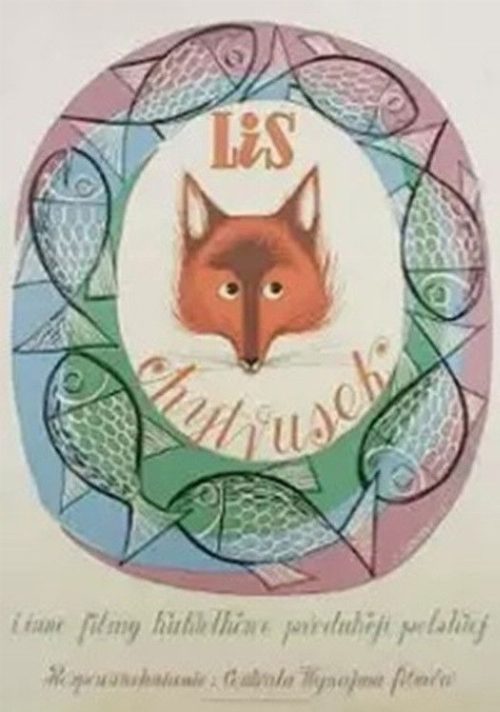
The cunning fox is looking for something to eat.
Tracing the evolution of stop motion animation across the mid-twentieth century often leads cinephiles to discover hidden treasures tucked away in the rich history of Polish cinema. The Cunning Fox, directed by Zenon Wasilewski in 1951, stands as a fascinating artifact of its era, showcasing a level of technical patience and artistic vision that helped define the aesthetic identity of the national studio system. While modern audiences are accustomed to the fluid perfection of digital rendering, there is an undeniable, tactile charm in the handcrafted movements of this production. It captures the essence of classic folk fable storytelling, stripping away the excess of contemporary cinema to focus on the primal, rhythmic cycle of a predator on the prowl in a starkly rendered environment.
What makes this work particularly compelling for students of global animation is how Wasilewski utilizes the limitations of the medium to build tension. The narrative centers on a singular, driven search for sustenance, transforming a simple biological impulse into a high-stakes dramatic performance. Even without the dialogue-heavy scripts that dominate today’s global film landscape, the visual language relies on expressive puppetry and deliberate pacing that transcends linguistic barriers. It serves as a reminder that the fundamentals of character motivation—specifically the desperate, clever pursuit of a goal—are universal themes that have anchored cinematic storytelling from the silent era through the rise of international animation giants.
Fans of retro animation or those interested in the foundational works of European puppet films will find this piece to be an essential watch. It occupies a unique space in the 1950s cinematic canon, offering a glimpse into a time when animators were pioneering techniques that would eventually influence generations of stop motion creators worldwide. For viewers who appreciate the stark, atmospheric beauty of black and white imagery, the film provides a captivating look at how minimalist storytelling can still carry significant weight. By focusing on the relentless nature of the title character, the film achieves a focused intensity that feels just as sharp today as it did when it first appeared on screens. It is a testament to the enduring power of classic craftsmanship, proving that even a brief, singular journey can leave a lasting impression on the history of moving pictures.