About The Eight Hundred
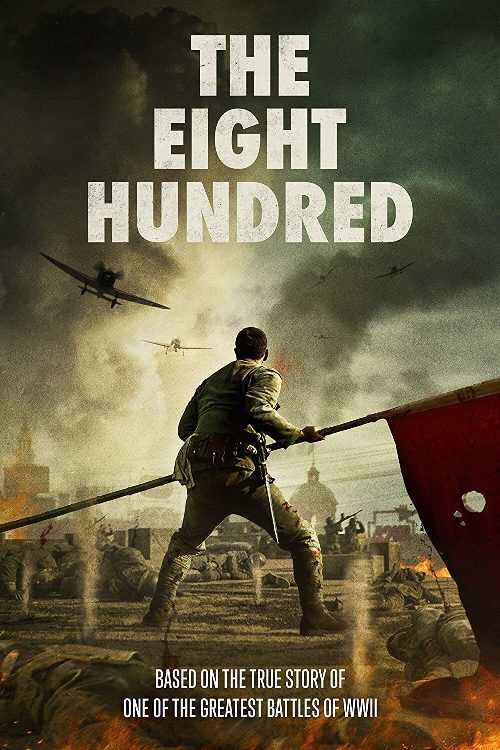
In 1937, eight hundred Chinese soldiers fight under siege from a warehouse in the middle of the Shanghai battlefield, completely surrounded by the Japanese army.
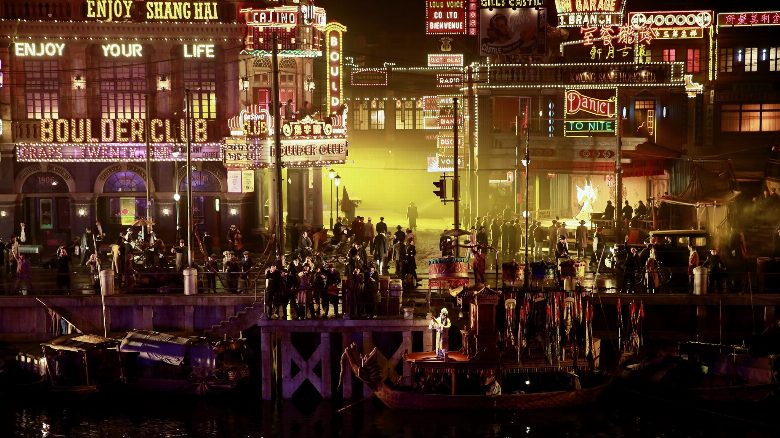
The Eight Hundred serves as a harrowing testament to the visceral nature of modern war cinema, stripping away the romanticism often found in historical epics to focus on the claustrophobic terror of a single, desperate stand. Set against the backdrop of the 1937 defense of a strategic Shanghai stronghold, the film captures a pivotal moment where a small battalion finds itself trapped between the encroaching imperial forces and the indifferent gaze of the international community watching from across the Suzhou Creek. By juxtaposing the brutal, mud-caked reality of the front lines with the sanitized, opulent perspective of the foreign concession just a river width away, director Guan Hu creates a compelling visual dichotomy that emphasizes the isolation of the soldiers. It is a cinematic experience that feels less like a traditional military tribute and more like a high-stakes survival drama, drawing the audience into the crumbling, hollowed-out architecture that becomes both a fortress and a tomb for the men inside.
This production stands out for its ambitious scale, utilizing massive, practical sets that allow the camera to navigate the ruins with a fluid, relentless energy. For viewers who appreciate the technical precision found in current pan-Asian blockbusters, such as the grand spectacles emerging from the Tollywood or Bollywood industries, this film offers a similar sense of immersion, though it trades stylized heroics for a more grounded, gritty aesthetic. The narrative power lies in the transformation of its characters, who evolve from terrified, inexperienced conscripts into symbols of national resilience under the most crushing pressure imaginable. It is an exploration of human fragility and the performative nature of courage, questioning what it means to fight when the world is merely watching from the sidelines.
Audiences who enjoy historical dramas that prioritize atmospheric tension over simple moral binaries will find much to admire here. The film demands attention from those who appreciate complex ensemble pieces where the setting itself acts as a primary antagonist. By focusing on the psychological erosion caused by constant bombardment and the slow realization that help may never arrive, the movie elevates the genre beyond mere action set pieces. Whether you are a dedicated follower of international war films or simply a fan of high-production dramas that push the boundaries of visual storytelling, this work positions itself as a significant entry in the global history of the medium, ensuring its place as a haunting reflection on the cost of sacrifice.
Cast(26)