About The General
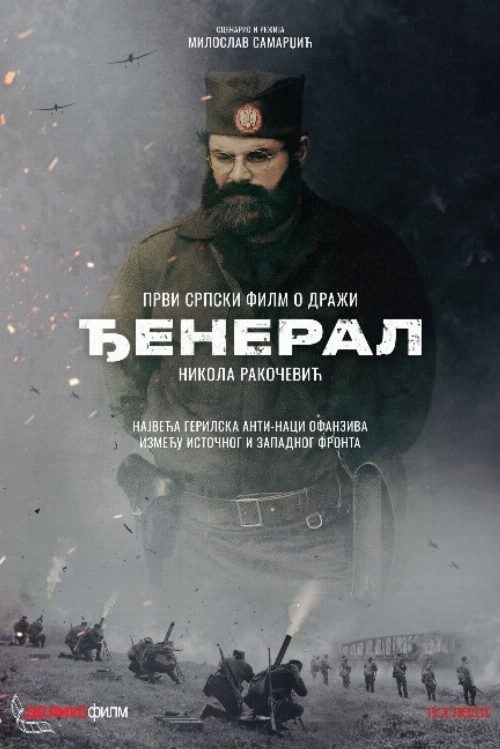
Zlatibor, at the end of the summer of 1943. British General Charles Armstrong, the new head of allied military missions, is coming to the Supreme Command of the Yugoslav Army. He announces the imminent capitulation of Italy and the landing of the Western Allies on the Adriatic Sea.
Few historical dramas manage to capture the claustrophobic tension of mid-war alliances with the precision Miloslav Samardzic brings to The General. Set against the rugged backdrop of Zlatibor in late 1943, the narrative centers on the arrival of British commander Charles Armstrong at the Yugoslav Army headquarters. While the film is rooted in a specific Balkan historical period, its exploration of shifting geopolitical loyalties feels remarkably resonant with the current wave of gritty, character-driven war cinema emerging from global film markets. By focusing on the friction between local resistance leaders and foreign military observers, the director steers away from traditional battlefield spectacle to favor a high-stakes chess match of words and strategic maneuvering.
The film relies heavily on the commanding presence of Cedomir Stajn, whose portrayal of the internal pressure faced by military leadership offers a anchor for the audience. Alongside a robust supporting cast including Aleksandar Jelenic and Igor Borojevic, the production succeeds in portraying the precarious nature of the era, where one misinterpreted signal could derail an entire campaign. This is not a film for those seeking mindless action, but rather for viewers who appreciate the slow-burn intensity found in period pieces that prioritize political intrigue. The cinematography emphasizes the isolation of the mountains, mirroring the psychological distance between the characters who are forced to collaborate despite their fundamentally different objectives.
For fans of international cinema who follow the evolving landscape of Eastern European storytelling, this project serves as a compelling case study on how regional history can be framed for a contemporary audience. Samardzic demonstrates a keen ability to balance the heavy atmosphere of 1943 with modern narrative pacing, ensuring the historical stakes remain clear even to those unfamiliar with the minutiae of the conflict. The General is positioned as a standout entry for 2026, capturing a pivotal moment when the tide of the war seemed to be turning, yet the path forward remained clouded by uncertainty. It is a sophisticated addition to the war genre, demanding attention for its commitment to period authenticity and its refusal to simplify the complex relationships between the Allied forces and the local resistance. Those who gravitate toward films that examine the burden of command and the fragility of diplomatic agreements will find this an essential viewing experience.