About The Girl of Your Dreams
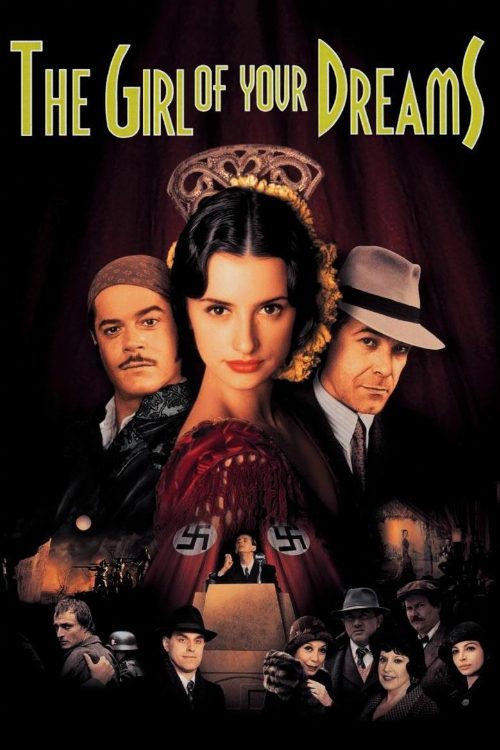
A company of Spanish movie makers leaves Franco's Spain and moves to Hitler's Germany to make a film in co-production. Soon some problems start to arise...
Set against the backdrop of the mid twentieth century, The Girl of Your Dreams offers a fascinating exploration of artistic compromise under the shadow of totalitarian regimes. While contemporary Indian cinema often navigates the complexities of historical identity through grand period epics or nationalist narratives, this Spanish production takes a more satirical and humanistic approach to the era of the Third Reich. Director Fernando Trueba masterfully balances the absurdity of a film crew attempting to maintain their creative vision while surrounded by the rising tensions of a war-torn Europe. The premise functions as a dark comedy, highlighting the clash between the performative nature of show business and the grim reality of political persecution. It serves as a stark reminder that even during the darkest chapters of history, the desire to manufacture entertainment remains a persistent, albeit precarious, human endeavor.
The film resonates particularly well with global audiences who appreciate the intersection of cinema history and cultural commentary. For viewers accustomed to the high-stakes dramas often produced within the Telugu or Hindi industries, this picture provides a compelling change of pace, focusing on the vulnerability of artists caught between warring ideologies. It stands out because it avoids the typical tropes of war films, opting instead to examine how national identity travels across borders. The cast brings a level of gravitas to the story that ensures the humor never undermines the gravity of the setting. Fans of European cinema will recognize the sharp wit that characterizes Trueba’s work, which consistently challenges the audience to consider the moral costs of collaboration and survival.
This production is an essential watch for cinephiles who are interested in the behind-the-scenes dynamics of the golden age of international filmmaking. It appeals to those who enjoy narratives about underdogs navigating massive, often hostile, bureaucratic systems. By positioning its characters in a foreign land where their language and customs are constantly challenged, the script draws parallels to the universal struggle of maintaining one’s integrity when institutional pressures demand conformity. Whether one is a regular follower of international arthouse hits or simply someone looking for a thought-provoking drama that manages to be genuinely amusing, the film occupies a unique space in cinematic history. It remains a sophisticated example of how satire can be used to dissect the past without losing sight of the individual stories that make history worth remembering.
Cast(17)