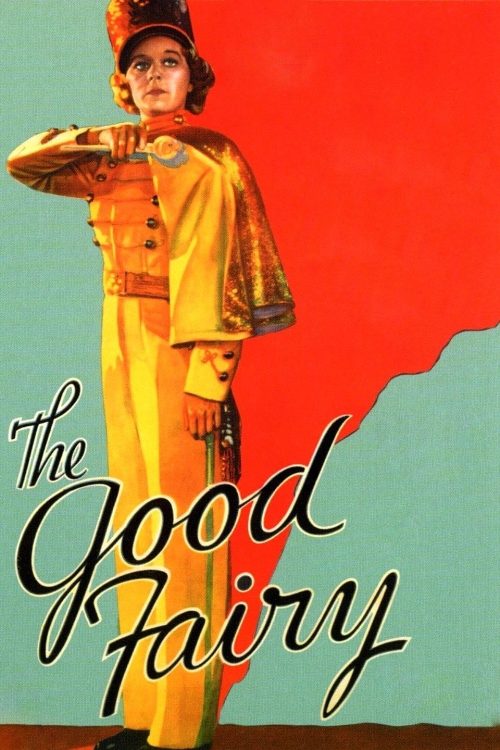
About The Good Fairy
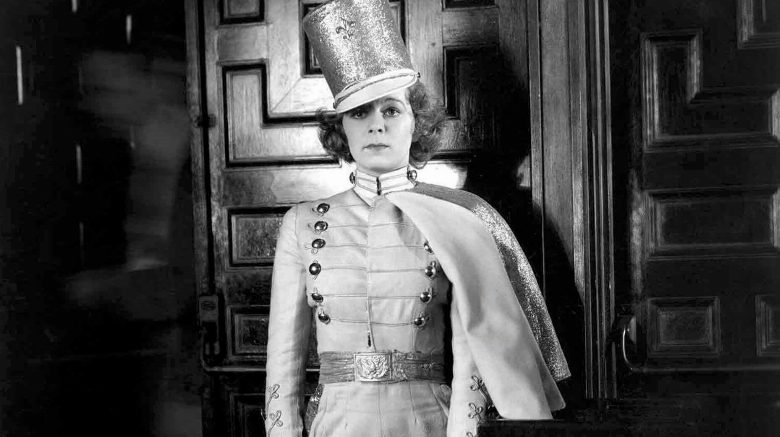
In 1930s Budapest, naïve orphan Luisa Ginglebuscher becomes an usherette at the local movie house, determined to succeed in her first job by doing good deeds for others and maintaining her purity. Luisa's well-meaning lies get her caught between a lecherous businessman, Konrad, and a decent but confused doctor, Max Sporum. When Luisa convinces Konrad that she's married to Max, Konrad tries everything he can to get rid of the baffled doctor.
Cinema historians often point to the mid-thirties as the golden age of screwball comedy, a period defined by lightning-fast dialogue and elaborate misunderstandings that somehow resolve into romantic harmony. The Good Fairy stands as a quintessential specimen of this era, capturing a whimsical version of Budapest that feels less like a real geography and more like a stage for moral experiments. At the center of this narrative is a young woman whose primary ambition is to influence the lives of strangers through selfless acts, a trait that sets her apart from the cynical urbanites surrounding her. By weaving a web of innocent fabrications to protect her own integrity, she inadvertently triggers a chaotic chain of events involving a predatory tycoon and a bewildered medical professional. It is a classic study in how sincerity can be a dangerous, if comedic, weapon in a world that assumes everyone has a hidden agenda.
For modern viewers accustomed to the gritty realism of contemporary Indian cinema, where regional industries like the Telugu or Tamil sectors frequently blend high-octane action with complex social commentary, this film offers a refreshing shift toward pure, character-driven farce. It lacks the grand musical numbers or sprawling ensemble casts that define today’s pan-Indian blockbusters, yet it shares a familiar DNA with the lighthearted romantic comedies that have been a staple of global storytelling for nearly a century. The film functions as a precursor to the trope of the meddling protagonist who tries to fix everyone else’s life, a framework that remains incredibly popular across various cultures. Those who appreciate the witty, sophisticated banter found in classic Hollywood films will find much to admire in the script’s relentless pace and the escalating absurdity of its central deception.
The production carries the unmistakable polish of its time, relying on the chemistry between its performers to elevate what could have been a standard situational comedy into something more enduring. The ensemble cast navigates the intricate dance of social maneuvering with a grace that highlights the vulnerability of the lead character. Because the film avoids the heavy-handed moralizing that often plagued morality plays of the same decade, it remains an accessible watch for anyone interested in the evolution of cinematic comedy. It is a lighthearted look at the dangers of being too helpful, proving that even in 1935, the path to a happy ending was rarely a straight line. The result is a charming, if slightly dizzying, exploration of human nature that rewards those who enjoy seeing a protagonist attempt to navigate the messy reality of adulthood with nothing but optimism.
Cast(39)