The Hound of the Baskervilles(1972)
About The Hound of the Baskervilles
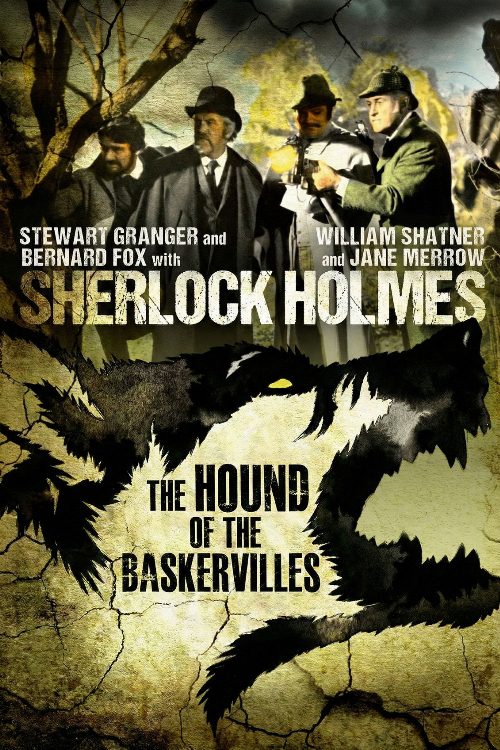
Holmes and Dr. Watson tackle the case of a curse on the Baskerville bloodline in this ABC Movie of the Week adaptation.
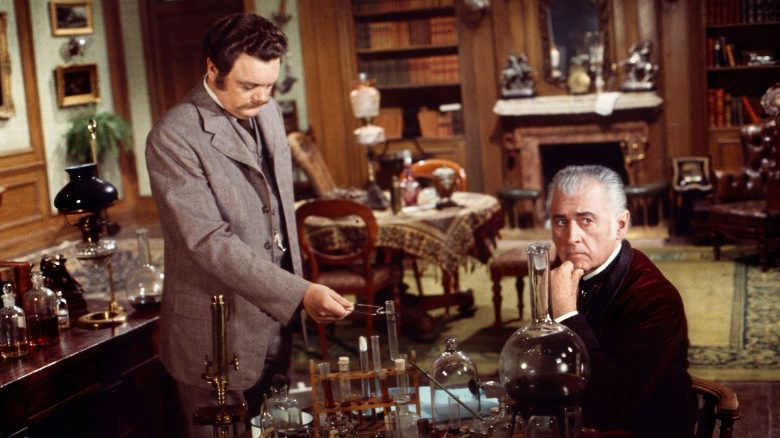
Arthur Conan Doyle has seen his most famous detective translated into countless mediums, yet the 1972 television adaptation of The Hound of the Baskervilles holds a peculiar charm that separates it from the more polished big-budget spectacles. Produced during an era when the American television landscape was experimenting with gothic atmosphere and compact storytelling, this iteration leans heavily into the claustrophobic tension of the Devonshire moors. Rather than relying on the grand scale of theatrical productions, the film focuses on the psychological deterioration of a family haunted by a spectral canine legacy. It serves as a fascinating time capsule of seventies production design, where the limitations of the medium actually enhance the sense of unease and isolation that defines the source material.
For enthusiasts of Indian cinema who appreciate the growing trend of atmospheric thrillers in regional industries like Malayalam or Kannada, this film offers a masterclass in building dread with minimal resources. While contemporary Indian audiences are often accustomed to high-octane investigative dramas or elaborate supernatural mysteries, this version of the Baskerville legend functions as a quiet, character-driven exercise in suspense. It is less about the procedural hunt for clues and more about the crushing weight of ancestral secrets, a theme that resonates deeply with viewers who enjoy the slow-burn narrative structures found in regional mystery classics. The cast delivers performances that prioritize the eerie theatricality of the Victorian era, creating a distinct aesthetic distance that modern viewers might find refreshing compared to current gritty realism.
This production is ideally suited for those who enjoy analyzing how classic detective tropes transition across different cultural and historical contexts. Even decades later, it stands as a reminder of how the Holmes mythos remains malleable, shifting its tone to match the sensibilities of its time. For those curious about the lineage of mystery filmmaking, watching this version provides a clear look at how suspense was constructed before the digital age dominated the screen. It is a lean, focused piece of television history that favors mood over spectacle, making it a compelling watch for anyone interested in the enduring appeal of the world’s most famous sleuth. By stripping away the bloat often found in modern adaptations, the film keeps its focus squarely on the central mystery of the moor, ensuring the tension remains palpable from the opening scenes until the final act.
Cast(22)