About The House of Mirth
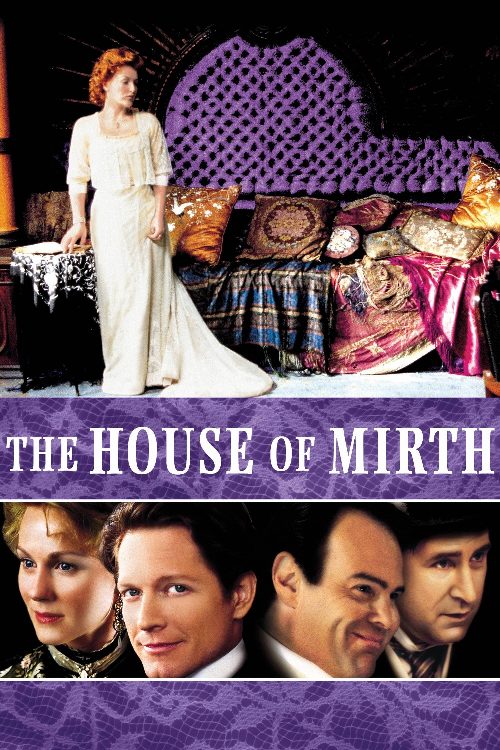
In early 20th century New York City, an impoverished socialite desperately seeks a suitable husband as she gradually finds herself betrayed by her friends and exiled from high society.
Gilded age ambition meets the crushing weight of social scrutiny in this masterful adaptation of Edith Wharton’s classic literature. While many period dramas lean into romantic idealism, this film opts for a cold, clinical examination of the transactional nature of high society. Set against the backdrop of turn of the century New York, the narrative dissects the precarious position of a woman whose only currency is her charm and reputation. As she navigates the treacherous waters of the elite, the film highlights how quickly the wealthy turn on one of their own when that person stops serving their interests. It serves as a stark reminder that in the upper echelons of history, morality was often secondary to the preservation of status and wealth.
For audiences accustomed to the vibrant, high stakes emotional landscapes of modern Indian cinema, this film offers a fascinating shift in perspective. While it lacks the musical grandeur or broad melodramatic beats common in Bollywood or Tollywood productions, it mirrors the intense focus on family honor and societal expectations found in many classic Indian period pieces. The protagonist’s struggle to maintain her dignity while being systematically dismantled by her peers will resonate with viewers who appreciate psychological depth over spectacle. This is a story for those who enjoy slow burning tension and character studies that prioritize internal conflict over external action. It is a sophisticated piece of filmmaking that demands patience but rewards the viewer with a haunting look at how easily a life can be undone by rumors and social alienation.
Terence Davies, known for his meticulous attention to detail and his ability to capture the melancholy inherent in memory, brings a distinct visual elegance to this project. His direction transforms what could have been a standard costume drama into a claustrophobic portrait of isolation. The lead performance is equally vital, grounding the story in a vulnerability that makes the character’s descent feel deeply personal rather than merely academic. By stripping away the glamour typically associated with the era, the production team highlights the rot lurking beneath the polished surfaces of manor houses and ballrooms. It is an essential watch for anyone interested in the intersection of class dynamics and personal agency, standing as a timeless example of how the constraints of society can stifle the human spirit. Those who appreciate nuanced storytelling that explores the dark side of ambition will find this film to be a compelling addition to their watchlist.
Cast(37)