
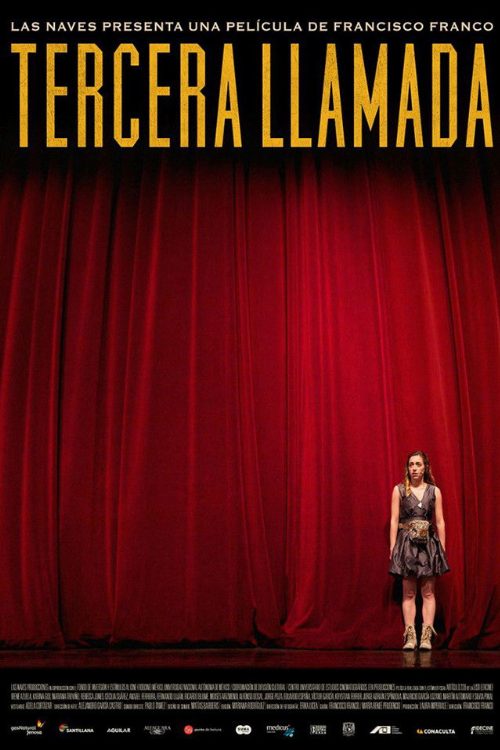
About The Last Call
Turmoil becomes the order of the day when a Mexican theatrical company begins its rehearsals of absurdist philosopher Albert Camus's “Caligula” for an influential upcoming international theater festival.
The theater serves as a pressure cooker for human frailty, a truth that shines through in the 2013 Spanish feature The Last Call. By centering its narrative on the chaotic mounting of a production of Caligula, the film taps into the universal anxiety that defines high stakes artistic endeavors. While the world of Mexican cinema is often celebrated for its gritty realism or sweeping historical epics, this project takes a different route by inviting audiences into the claustrophobic and often hilarious confines of a rehearsal hall. It captures the specific friction that arises when intellectual ambition clashes with the fragile egos of those tasked with bringing a complex play to life before an unforgiving international audience.
This ensemble piece relies heavily on a powerhouse cast of actresses who navigate the delicate balance between professional discipline and personal meltdown. For viewers familiar with the current wave of character driven dramas coming out of Latin America, the film provides a fascinating look at how prestige projects can unravel under the weight of their own expectations. The script wisely avoids turning the performers into mere caricatures, instead grounding their frantic energy in the genuine exhaustion that accompanies any creative process. It is a quintessential study of group dynamics, where every rehearsal becomes a battleground for artistic vision and emotional survival.
Fans of ensemble comedies that feature sharp dialogue and a cynical edge will find much to admire here. The film functions as a love letter to the theater that simultaneously acknowledges the absurdity inherent in the profession. It does not demand that the audience be well versed in Camus to appreciate the central conflict; rather, it uses the play as a backdrop to explore how human connections fray when perfection is the only acceptable outcome. By focusing on the internal politics of a troupe preparing for a global stage, the film offers a rare, intimate perspective on the sacrifices required by the arts. It is a compelling choice for anyone interested in the intersection of performance and persona, standing as a testament to the resilience of those who treat the stage as their primary reality.
Cast(15)