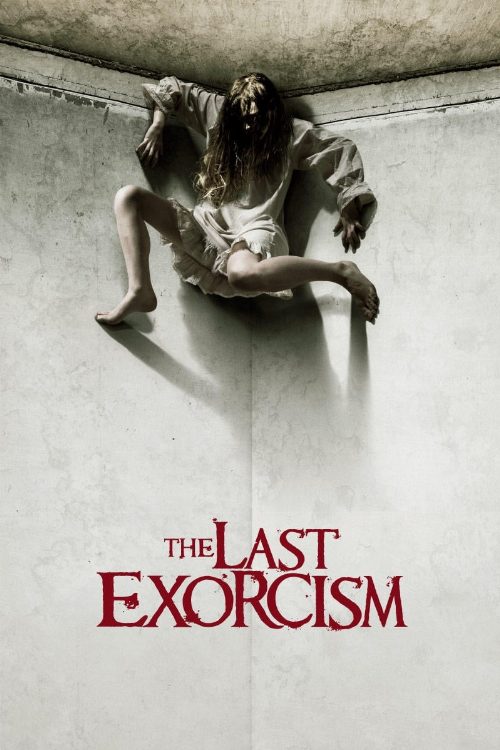
The Last Exorcism(2010)
About The Last Exorcism
After years of performing “exorcisms” and taking believers’ money, Reverend Marcus travels to rural Louisiana with a film crew so he can dispel what he believes is the myth of demonic possession. The dynamic reverend is certain that this will be another routine “exorcism” on a disturbed religious fanatic but instead comes upon the blood-soaked farm of the Sweetzer family and a true evil he would have never thought imaginable.
Cinematic portrayals of faith often lean toward the reverent or the purely cynical, yet Daniel Stamm finds a compelling middle ground by blending the tropes of religious horror with the voyeuristic lens of the found footage movement. The Last Exorcism centers on Reverend Marcus, a charismatic preacher who has built a comfortable career out of performing staged rituals for the desperate. By inviting a documentary team to shadow his work, he intends to pull back the curtain on the industry of spiritual deliverance, framing his own ministry as a performance designed to provide comfort rather than combat supernatural entities. However, the narrative shifts from a character study of a disillusioned man into a visceral exploration of terror when he encounters a farm family in rural Louisiana whose struggles seem far removed from the parlor tricks he has perfected.
This film arrived during a pivotal moment in the evolution of the supernatural thriller, capitalizing on the mid-budget horror boom that sought to ground fantastical threats in gritty, realistic environments. While Indian cinema has its own storied history of exploring possession and folk horror, particularly within the Malayalam and Kannada industries where atmospheric dread is often prioritized over spectacle, this production offers a distinct western perspective on the intersection of skepticism and superstition. It functions less as a traditional ghost story and more as a psychological unraveling, challenging the viewer to question whether the true danger lies in an unseen force or the volatile nature of isolated human conviction. Ashley Bell delivers a performance that anchors the mounting chaos, navigating the transition from a fragile victim to something far more enigmatic with chilling precision.
Audiences who appreciate the slow-burn tension of contemporary genre pieces will find this project particularly engaging because it avoids the typical barrage of jump scares in favor of a creeping sense of dread. It is an ideal recommendation for fans of films that blur the line between documentary realism and scripted drama. By stripping away the polish of high-budget horror, the film forces the audience to confront the consequences of exploitation, both on the part of the charlatan preacher and the societal pressures that drive people toward such desperate measures. Whether one is a devotee of the occult subgenre or simply curious about how a filmmaker can deconstruct the myth of the exorcist, this work remains a significant entry in the canon of handheld horror, effectively using its limitations to heighten the intensity of its mystery.
Cast(17)