About The Last Outlaw
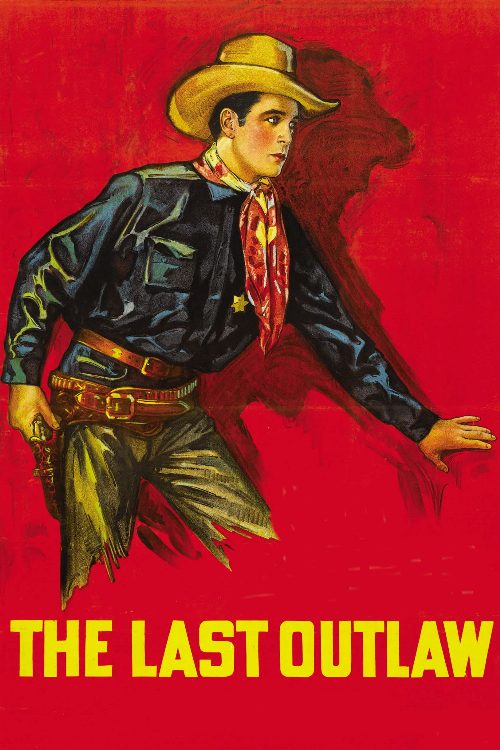
On his way to Steer City, Buddy Hale rescues Janet Lane from a runaway horse. Unknown to Buddy, the woman's brother Ward just shot the sheriff. Heading a ring of indignant ranchers whose cattle are being systematically rustled, Ward suspects that the sheriff and Justice Bert Wagner are leading the gang of thieves. Justice Wagner makes Buddy sheriff and sends him to arrest his predecessor's murderer.
While the silent era of American cinema is often remembered for its sprawling epics or slapstick comedy, The Last Outlaw serves as a quintessential example of how the Western genre solidified its narrative tropes during the late 1920s. This production captures the raw, kinetic energy of early outdoor filmmaking, placing a stranger in a strange land right at the heart of a volatile frontier conflict. Unlike the later, dialogue-heavy iterations of the genre that dominated mid-century theaters, this film relies on visual storytelling to establish the moral ambiguity of a town teetering on the edge of lawlessness. It is a fascinating relic that invites modern audiences to witness the foundational building blocks of the outlaw archetype, long before the trope became a staple of global action cinema.
For viewers who follow the evolution of the Western, this film offers a clear window into how directors like Arthur Rosson constructed tension without the benefit of spoken words. The story follows a classic trajectory involving a mysterious drifter who is thrust into a position of authority, a theme that resonates deeply with the hero-centric structures often found in contemporary Indian cinema. Much like the archetypal lone wolf protagonists seen in modern Telugu or Kannada action dramas, the lead character is forced to navigate a web of corruption where the line between the law-abiding citizens and the criminal underground is dangerously thin. The film effectively uses the vast, untamed landscape as a mirror for the protagonist's internal struggle, a technique that remains a standard in character-driven storytelling across all major film industries today.
Audiences who appreciate the meticulous choreography of early stunt work and the stark, high-contrast aesthetic of black-and-white cinematography will find much to admire here. The narrative avoids overcomplicating its premise, focusing instead on the high-stakes confrontation between a principled outsider and a community hiding dark secrets. It stands as a testament to a time when physical performance and expressive gestures were the only tools required to convey complex emotions and shifting loyalties. As an early entry in the genre, it provides essential context for anyone interested in why the outlaw narrative remains a universal constant in storytelling. Whether you are a fan of historical cinema or simply a lover of a well-executed tale of redemption and duty, this film remains a compelling look at the genre in its infancy.