About The Last Rifleman
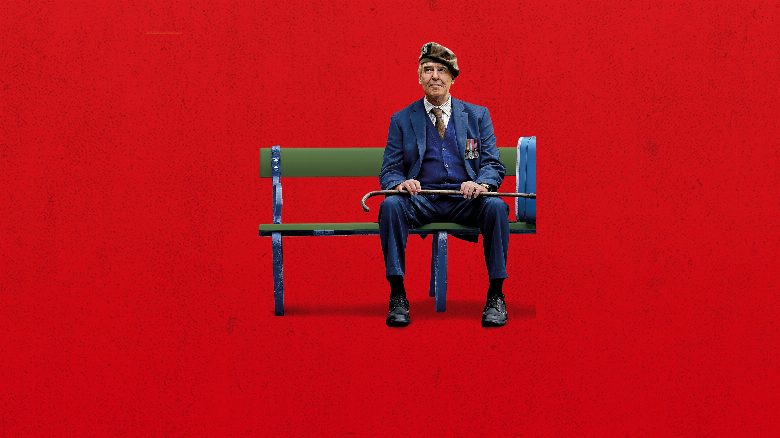
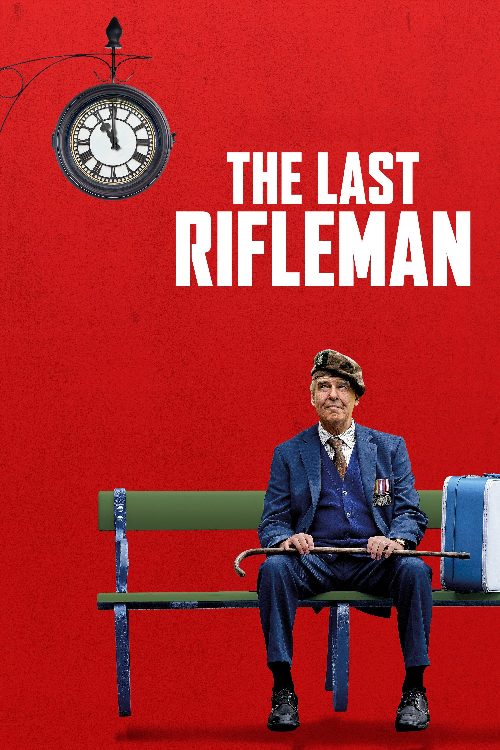
A WWII veteran escapes his care home in Northern Ireland and embarks on an arduous but inspirational journey to France to attend the 75th anniversary of the D-Day landings, finding the courage to face the ghosts of his past.
The weight of history rests heavily upon the shoulders of Artie Crawford, a man whose quiet resolve drives the narrative heart of The Last Rifleman. Eschewing the typical bombast associated with war cinema, director Terry Loane crafts a poignant character study that prioritizes internal reflection over explosive spectacle. By focusing on a protagonist who decides to leave behind the confines of his institutional life in Northern Ireland to honor his fallen comrades in Normandy, the film taps into the universal yearning for closure. It is a contemplative piece of storytelling that feels refreshing in an era often dominated by franchise blockbusters, serving as a reminder that the most significant battles are frequently those fought within the human heart long after the guns have fallen silent.
For audiences familiar with the landscape of global cinema, including the emotionally resonant dramas emerging from industries like the Malayalam or Telugu film sectors, this movie will feel remarkably accessible. Much like recent Indian films that emphasize the sanctity of personal legacy and familial memory, this production examines how the events of the mid-twentieth century continue to ripple through the lives of the elderly. Clémence Poésy delivers a performance that grounds the narrative, providing a necessary bridge between the protagonist's fading reality and the vivid, painful clarity of his memories. The film is positioned as an intimate road movie, trading high-speed chases for the slow, deliberate pace of a man reconciling with his own mortality.
Those who appreciate character-driven dramas that favor nuance and atmosphere will likely find this journey deeply rewarding. It is a film for viewers who prefer the gentle ache of nostalgia over pure escapism, and it stands as a testament to the enduring power of historical reconciliation. Terry Loane manages to capture the isolation of old age while simultaneously highlighting the fierce independence that can still burn within a veteran. By framing the D-Day anniversary not just as a commemorative event but as a personal pilgrimage, the movie elevates itself from a standard historical drama into a broader meditation on identity. It invites the audience to consider how we carry our own histories forward, making it a compelling choice for anyone invested in the intersection of personal narrative and the grander tapestry of global conflict.
Cast(41)