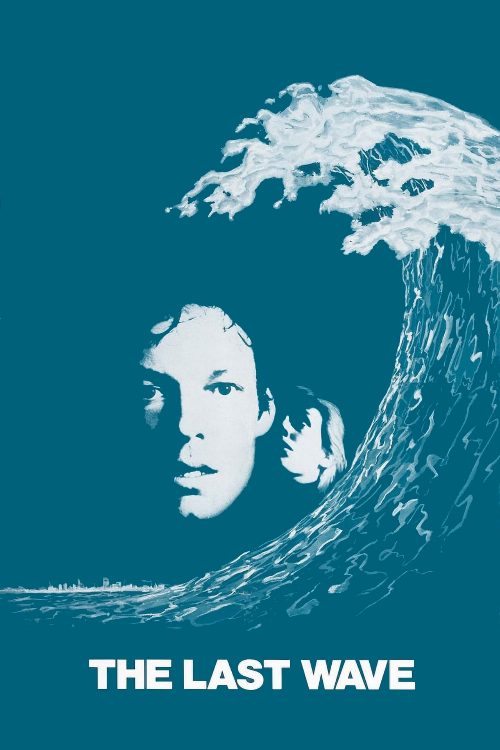
About The Last Wave
A Sydney lawyer defends five Aboriginal people in a ritualised taboo murder and in the process learns disturbing truths about himself and premonitions.
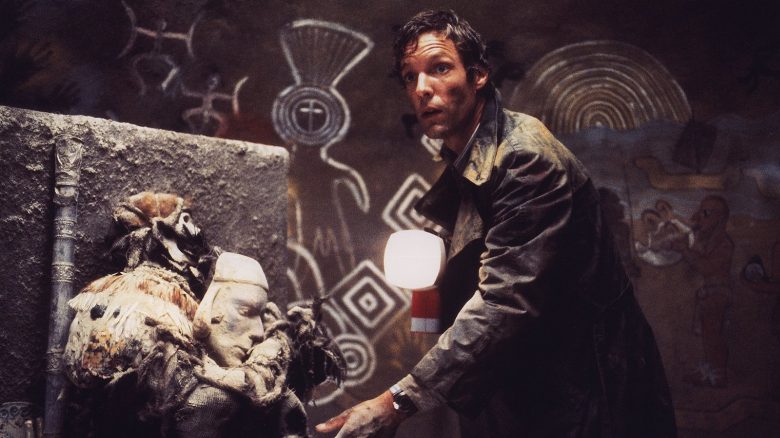
Peter Weir remains one of the most enigmatic architects of atmospheric cinema, and his 1977 masterpiece The Last Wave serves as a haunting cornerstone of Australian gothic storytelling. Unlike the typical courtroom dramas that rely on procedural exposition, this film pivots toward the metaphysical, grounding its mystery in the collision between modern legal structures and the ancient, spiritual undercurrents of the land. The narrative follows a white attorney tasked with representing a group of indigenous men accused of a bizarre homicide. As he navigates the labyrinthine social tensions of Sydney, the protagonist finds his own rational perception of reality eroding, pulled into a whirlpool of cryptic visions and ancestral warnings. This is not merely a whodunit but a psychological descent that questions the fragility of colonial identity when faced with forces that defy Western logic.
The cultural significance of this film lies in its respectful yet unsettling engagement with Aboriginal dreaming and the profound guilt embedded in the Australian landscape. Much like the recent shift in global cinema where regional folk horror is being used to explore historical trauma, The Last Wave was far ahead of its time, treating indigenous belief systems not as mere backdrop but as an active, threatening reality. It shares a thematic kinship with the eerie, slow-burn mysteries often found in contemporary Malayalam or Kannada cinema, where the environment itself acts as a silent character. Viewers who appreciate films that eschew jump scares for a persistent, creeping sense of dread will find this essential viewing. It demands patience, rewarding those who enjoy intellectual puzzles and atmospheric world-building over fast-paced action.
For audiences accustomed to the high-stakes, vibrant storytelling of current Indian cinema, this classic offers a stark, meditative contrast. It serves as a reminder of how powerful a director can be when they lean into the eerie silence of a setting rather than relying on heavy dialogue. Richard Chamberlain anchors the film with a performance defined by restraint, perfectly capturing the transformation of a man whose comfortable, ordered life is slowly dismantled by the weight of things he cannot explain. It is a haunting exploration of displacement and the fear that the earth we stand upon might be waiting for the right moment to reclaim itself. Anyone interested in the history of international mystery or the evolution of psychological thrillers should treat this as a mandatory entry in their cinematic education.
Cast(20)






Crew
Sound Recordist
Special Effects
Sound Editor
Assistant Sound Editor
Editor
Director of Photography
Art Direction
Director
Producer
Similar Films