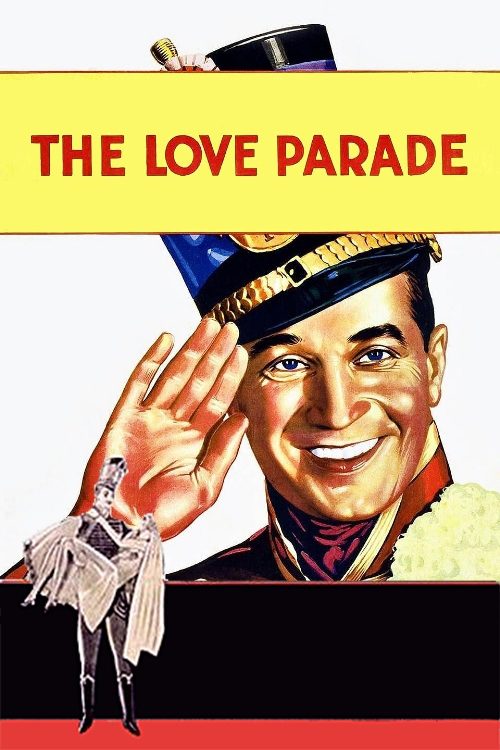
The Love Parade(1930)
About The Love Parade
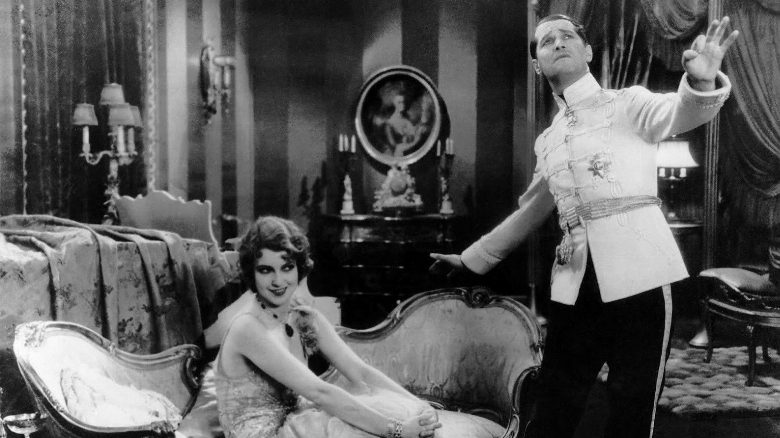
The queen of mythical Sylvania marries a courtier, who finds his new life unsatisfying.
Ernst Lubitsch famously mastered the art of the sophisticated musical comedy, and The Love Parade serves as a quintessential example of his signature touch. Released in 1930, this early sound feature arrived at a pivotal moment in Hollywood history, bridging the gap between the silent era and the talkies with an elegance that few contemporaries could match. While modern audiences accustomed to the high-octane spectacle of contemporary Indian cinema might find the pacing deliberate, the film remains a fascinating study in character-driven humor and witty dialogue. It tells the story of a Sylvanian monarch whose marriage to a charismatic military attache creates a clash of ego and etiquette, setting the stage for a delightful battle of the sexes that feels surprisingly relevant even decades later.
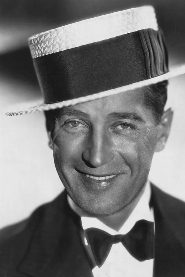
The film is anchored by the undeniable chemistry between Maurice Chevalier and Jeanette MacDonald, two performers who defined the screen romance of their generation. Chevalier, with his trademark straw hat and easy charm, brings a worldly playfulness to the role of the courtier who struggles to adjust to his subordinate position within the palace walls. MacDonald matches him stride for stride, portraying a queen who is both regal and deeply human in her romantic vulnerabilities. For viewers who appreciate the nuanced storytelling found in the golden age of musicals, this production stands out for its seamless integration of songs into the narrative flow. It avoids the clunky transitions of early sound pictures, opting instead for a fluid style that keeps the satire sharp and the romantic stakes high.
Watching The Love Parade today offers a unique window into the evolution of the romantic comedy genre. It stands as a testament to the Lubitsch Touch, a term coined by critics to describe the director’s ability to suggest complex emotional realities through subtle gestures and clever framing rather than overt exposition. Fans of character-centric dramas who enjoy exploring the roots of modern cinematic tropes will find much to admire here. By focusing on the tension between duty and personal desire, the film transcends its historical setting, appealing to anyone who enjoys a story about the messy, unpredictable nature of relationships. It is a lighthearted yet technically impressive milestone that showcases how early filmmakers navigated the transition to synchronized sound without sacrificing the visual storytelling that made cinema a global phenomenon.
Cast(12)