
About The Myth of the American Sleepover
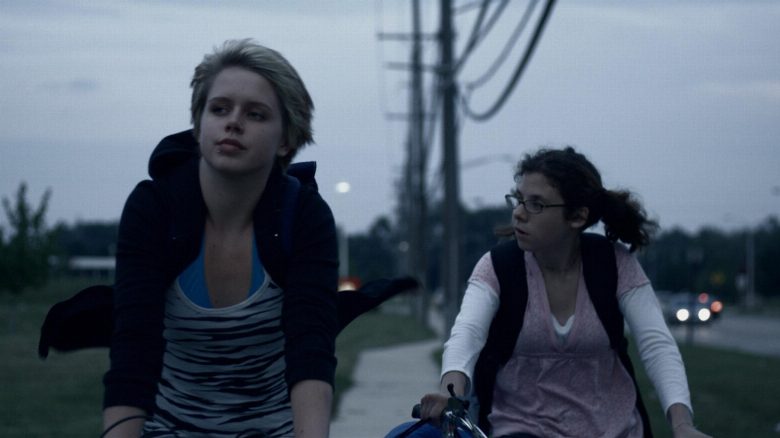
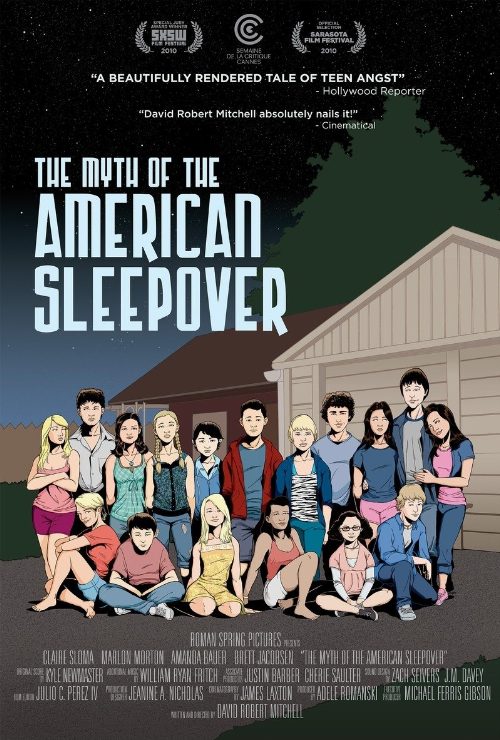
Four young people navigate the suburban wonderland of metro-Detroit looking for love and adventure on the last weekend of summer.
The transition from adolescence into adulthood is often captured through a lens of high-octane drama, yet The Myth of the American Sleepover finds its strength by leaning into the quiet, authentic rhythms of suburban life. Director David Robert Mitchell constructs a narrative that feels less like a scripted film and more like a collection of faded Polaroid snapshots from a humid August night in Michigan. By focusing on the intersection of four distinct story arcs, the film avoids the trap of tired coming-of-age tropes, instead favoring a naturalistic pacing that mirrors the aimless uncertainty of being young and searching for connection. While contemporary Indian cinema often explores youth through the prism of high-stakes academic pressure or intense romantic melodrama, this film offers a refreshing, grounded counterpoint that will resonate with viewers who appreciate the low-key observational style of independent world cinema.
The brilliance of this project lies in its restraint, as it captures the specific universal tension of a final summer weekend before school resumes. Rather than relying on grand cinematic gestures, the performances feel remarkably lived-in, capturing the hesitation and vulnerability inherent in teenage social dynamics. It is a piece of work that prioritizes atmosphere over plot, inviting the audience to linger in the background of house parties and quiet drives rather than rushing toward a manufactured resolution. This approach makes the film an essential watch for fans of character-driven storytelling who enjoy works that prioritize emotional honesty over artificial spectacle. It serves as a stark reminder that the most significant moments of our youth are often the ones that seem the most mundane at the time.
For audiences accustomed to the vibrant, multi-layered storytelling of the Telugu or Tamil industries, this film provides a study in a completely different kind of regional specificity. Where Indian cinema often utilizes song, dance, and sweeping emotional arcs to define its cultural identity, this Midwestern American narrative finds its voice in silence, suburban sprawl, and the subtle shifts in interpersonal relationships. The film acts as a time capsule for a very particular American experience, yet its exploration of longing and the fleeting nature of adolescent friendship is deeply universal. It is positioned as a must-see for cinephiles who admire the work of directors who can find profound meaning in the smallest of human interactions, proving that a story does not need to be loud to make a lasting impact on the viewer.
Cast(48)