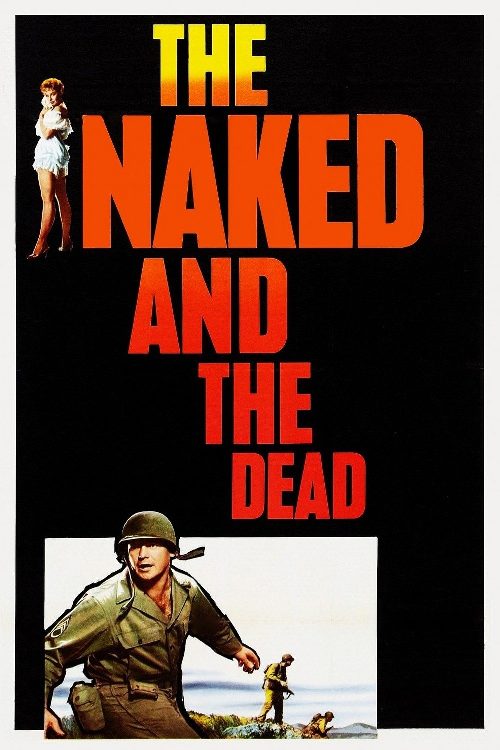
About The Naked and the Dead
Fighting men in World War II learn the value of courage and quickness at the risk of losing their lives.
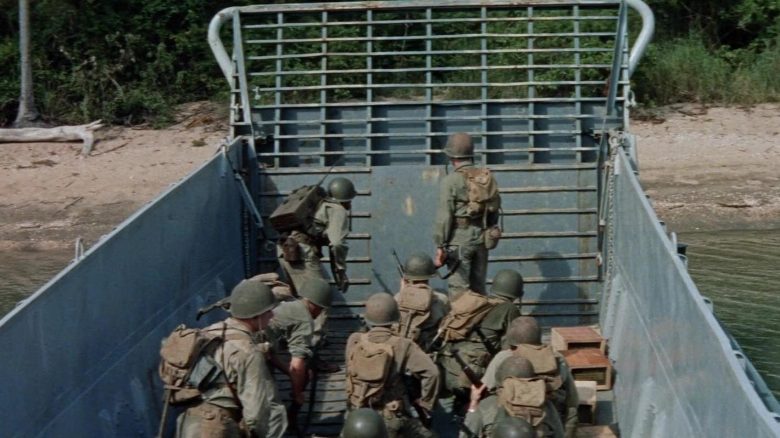
Raoul Walsh brings a stark, unvarnished intensity to the screen in this 1958 exploration of human frailty under the crushing weight of combat. While many films of the era leaned into heroic narratives, this production chooses to dissect the psychological fractures occurring within a reconnaissance unit navigating the Pacific theater. It stands as a significant artifact of mid-century cinema, reflecting a moment when the golden age of Hollywood began to confront the darker, more cynical realities of warfare. By focusing on the friction between a power-hungry general and his subordinates, the story transcends standard action tropes to examine how authority and fear shape the soldiering experience.
For those who follow the evolution of the war genre, this film offers a fascinating bridge between the patriotic fervor of early wartime pictures and the disillusioned grit that would define later decades. Fans of classic American cinema will appreciate the raw performance from Aldo Ray, whose presence anchors the narrative in a tactile sense of exhaustion and survival instinct. It is a film for viewers who prefer character-driven drama over spectacle, as the tension stems from clashing ideologies rather than just the tactical maneuvers on the battlefield. The influence of Walsh, a director known for his kinetic energy and sharp pacing, is evident here, even as he pivots toward a more contemplative and claustrophobic study of men pushed to their absolute breaking point.
The film occupies a unique space in the history of English-language dramas, providing a gritty look at the hierarchical struggles that often remain hidden behind official military records. Modern audiences familiar with the nuanced storytelling found in the best of contemporary Indian cinema, where directors frequently challenge societal structures and individual morality, might find a surprising resonance in the way this piece interrogates the ethics of leadership. It strips away the romanticism usually associated with the front lines, favoring a jagged, honest look at what happens when the veneer of civilization collapses under duress. Whether one is a seasoned historian of the genre or simply an admirer of mid-century psychological character studies, this feature remains a vital watch for its uncompromising commitment to depicting the internal costs of conflict. It serves as a reminder that the most dangerous battles are often fought not against an external enemy, but against the volatile impulses of one's own commanders and comrades.
Cast(19)