About The People Upstairs
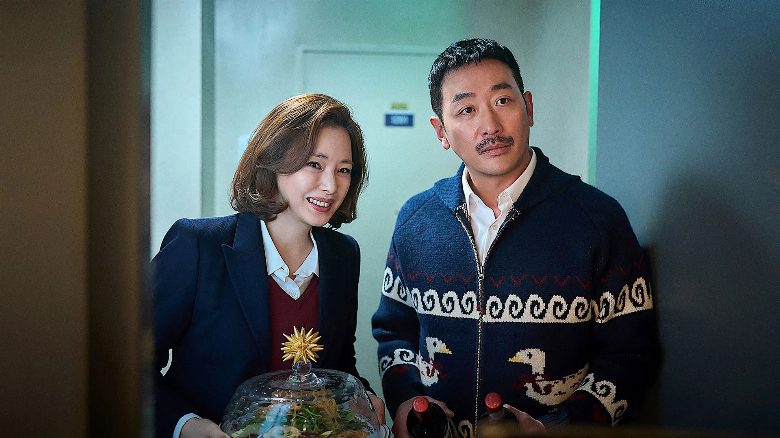
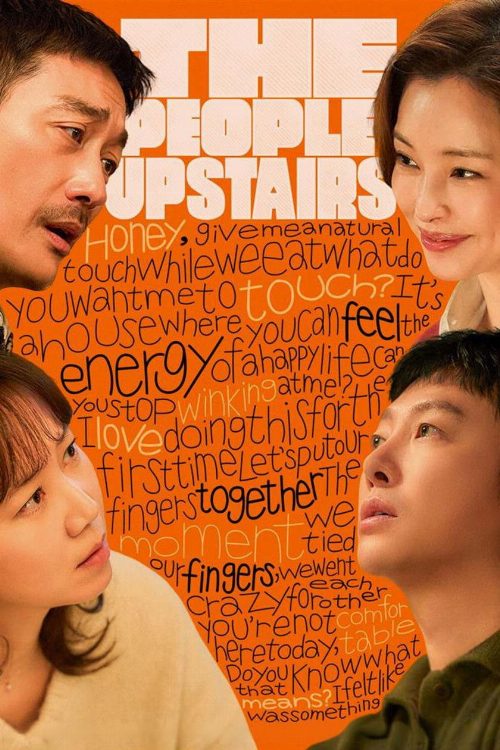
Jung-ah and her husband Hyeon-soo suffer sleepless nights from the passionate couple upstairs, Su-kyeong and Mr. Kim. Hoping to ease tensions, Jung-ah invites them to dinner — but polite chatter soon unravels into raw, boundary-breaking honesty, exposing hidden cracks in relationships with biting wit and emotional precision.
Few narrative devices are as universally relatable as the thin floor separating a quiet household from a chaotic neighbor, a premise that director Ha Jung-woo masterfully exploits in his latest comedic outing, The People Upstairs. By centering the tension on the simple, universal frustration of nocturnal disturbances, the film moves away from high-stakes genre tropes to ground itself in the messy reality of domestic interpersonal dynamics. The story follows a pair of spouses whose search for peace leads them to host their upstairs tormentors for a formal meal, a setup that functions as a pressure cooker for social anxiety and long-repressed grievances. Ha Jung-woo, whose transition from a celebrated leading man to a director behind the camera has been marked by a keen eye for character-driven humor, demonstrates a sharp ability to balance absurdity with genuine human vulnerability.
This project is positioned as a sophisticated look at the performative nature of modern social etiquette. As the wine flows and the conversation shifts from polite pleasantries to uncomfortable truths, the film taps into the current South Korean cinematic trend of exploring the claustrophobia of urban living. By assembling a powerhouse ensemble cast including Cha Tae-hyun, Lee Hanee, and Oh Dal-su, the production relies on seasoned comedic timing to elevate what could have been a static stage-play style setup into a vibrant, biting satire. The chemistry among the cast is palpable, reflecting a deep understanding of how people construct facades to mask their personal dissatisfactions. It is a refreshing departure from the darker thrillers that often dominate the Korean box office, proving that the most harrowing conflicts are often those that occur over a dinner table rather than in the streets.
Audiences who appreciate sharp, dialogue-heavy dramedies like Carnage or The Party will find much to admire in this exploration of social friction. The film is perfectly tailored for viewers who enjoy watching characters slowly lose their composure as the veneer of civilization cracks under the weight of pent-up resentment. It avoids the easy traps of slapstick, opting instead for a cerebral approach to comedy where the humor is derived from the terrifying lack of boundaries between neighbors. Those interested in seeing how Ha Jung-woo continues to refine his directorial voice will find this piece to be an essential addition to his filmography, highlighting his talent for turning mundane living arrangements into a masterclass of comedic storytelling. Whether you are a fan of ensemble-led narratives or simply someone who has dealt with a noisy neighbor, this film promises a cathartic and hilarious experience that lingers long after the credits roll.