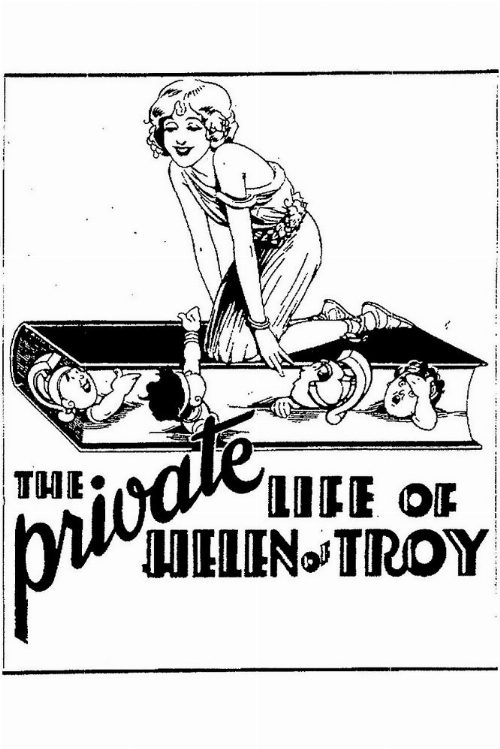
About The Private Life of Helen of Troy
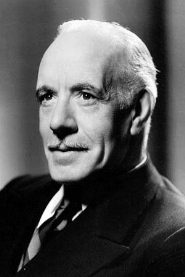
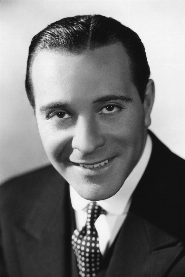
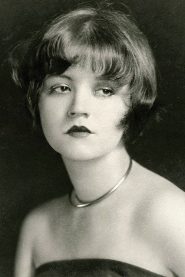
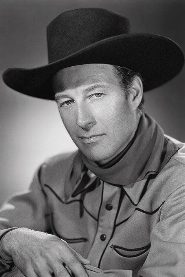
Setting the standard for his later light-hearted biopics The Private Life of Henry VIII and Rembrandt, producer-director Alexander Korda steadfastly refuses to take any of The Private Life of Helen of Troy seriously. Maria Corda, wife of the director, plays the title character as a fetchingly underdressed coquette, oblivious to all the political turmoil she's causing when she allows the handsome Paris (Ricardo Cortez) to kidnap her. Meanwhile, poor King Menelaus (Lewis Stone), Helen's husband, stands by in stoic silence, just as he's done on previous occasions when his wife succumbed to the charms of various sexy suitors (one of whom is played by future cowboy star "Wild Bill" Elliot). Finally galvanized into action, Menelaus reclaims his bride, who seems none the worse for wear for her experiences.
Long before the cinematic landscape was dominated by gritty historical epics or reverent period dramas, Alexander Korda dared to turn the most famous face in antiquity into the punchline of a sophisticated romp. The Private Life of Helen of Troy stands as a fascinating artifact of the late silent era, capturing a moment when filmmakers began to strip away the marble-stiff pretenses of ancient myth in favor of human folly. By reframing the legendary Trojan War as a series of domestic squabbles and marital misunderstandings, Korda introduced a playful, irreverent tone that would eventually define his celebrated biographical works. It is a stylistic precursor to the wit that would later define his European-inflected approach to history, proving that the director understood early on that audiences often prefer their historical figures to be as messy and flawed as their next-door neighbors.
For viewers who appreciate the evolution of comedy, this film serves as a vital bridge between the slapstick roots of the early twentieth century and the more character-driven humor that would flourish in the decades to follow. Maria Corda anchors the production with a performance that intentionally subverts the archetype of the tragic muse, portraying Helen not as a puppet of the gods, but as a flighty socialite whose romantic whims dictate the fate of empires. The dynamic between her and Lewis Stone, who plays the long-suffering King Menelaus with a weary, stoic charm, provides the core conflict of the story. It is a refreshing departure from the grandiosity usually associated with the Trojan cycle, offering a lighthearted perspective that feels surprisingly modern even nearly a century after its release.
This project is essential viewing for those interested in the early career of Korda, as it showcases the formative stages of his unique aesthetic. While modern audiences raised on high-budget mythological spectacles might find the film distinct in its simplicity, its charm lies in its commitment to the bit. It does not attempt to explain the politics of the Aegean or the weight of ancient prophecies; instead, it focuses on the absurdity of the situation, making it an accessible piece of classic cinema. Fans of silent film history and those curious about how early directors experimented with tone will find plenty to analyze here. It remains a sparkling example of how a director can take a pillar of Western literature and recast it as a breezy, satirical look at the perennial complications of marriage and desire.