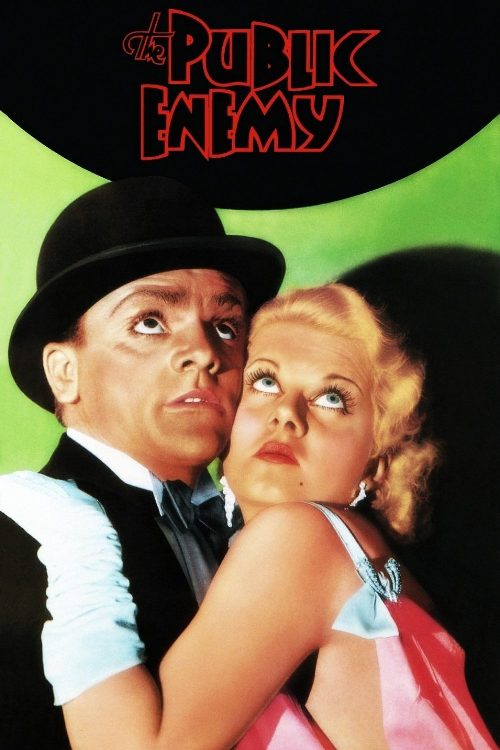
The Public Enemy(1931)
About The Public Enemy
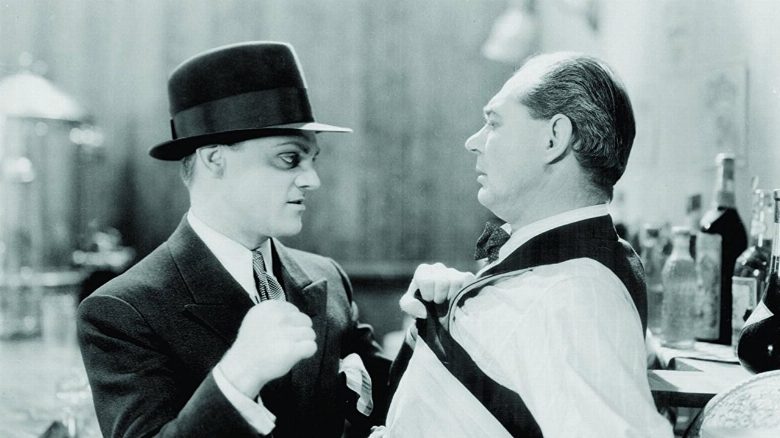
Two young Chicago hoodlums, Tom Powers and Matt Doyle, rise up from their poverty-stricken slum life to become petty thieves, bootleggers and cold-blooded killers. But with street notoriety and newfound wealth, the duo feels the heat from the cops and rival gangsters both. Despite his ruthless criminal reputation, Tom tries to remain connected to his family, however, gang warfare and the need for revenge eventually pull him away.
Cinema history often points to the early thirties as the era that defined the gangster genre, and The Public Enemy remains the definitive blueprint for the rise and fall narrative that still echoes in modern crime thrillers today. While contemporary audiences might be accustomed to the gritty, high-octane underworld dramas found in modern Tamil or Hindi cinema, this classic serves as the foundational text for the archetype of the charismatic yet doomed anti-hero. By tracing the trajectory of two youths fleeing the clutches of urban squalor to carve out a violent legacy in the illegal liquor trade, the film captures a raw, uncompromising look at the American dream twisted into a nightmare. It is a stark reminder that the tropes we see in global crime sagas regarding loyalty, betrayal, and the inevitable cycle of retribution were perfected decades ago on the streets of Chicago.
What sets this production apart is its refusal to romanticize the lifestyle of its protagonists. Instead of focusing solely on the glamor of illicit wealth, the narrative balances the external pressure of law enforcement and rival syndicates with the internal disintegration of the lead character’s domestic life. This tension between the cold, calculated violence of the underworld and the lingering desire for family connection is a theme that resonates deeply with viewers who appreciate the emotional stakes found in the best of Indian regional cinema. Just as a Telugu crime epic might use family dynamics to ground its explosive action sequences, this film uses the domestic sphere to heighten the tragedy of its central figure. James Cagney, in a performance that redefined screen villainy, brings an electric volatility to the role that makes the audience both recoil from his brutality and remain inexplicably drawn to his frantic ambition.
This is essential viewing for anyone interested in the evolution of cinematic storytelling, particularly those who follow how the crime genre mirrors societal shifts. It is not merely a historical artifact but a compelling character study that remains remarkably lean and efficient. For fans of hard-boiled narratives who appreciate the transition from small-time petty crime to the dangerous heights of organized syndicates, the film provides a masterclass in pacing and tension. By stripping away the bloated melodrama often found in later iterations of the genre, the director crafted a visceral experience that still holds significant weight. Whether you are a scholar of classic Hollywood or a modern cinephile tracking the lineage of the anti-hero, this film serves as the primary reference point for the genre's enduring power.
Cast(34)