The Rape of Europa(2007)
About The Rape of Europa
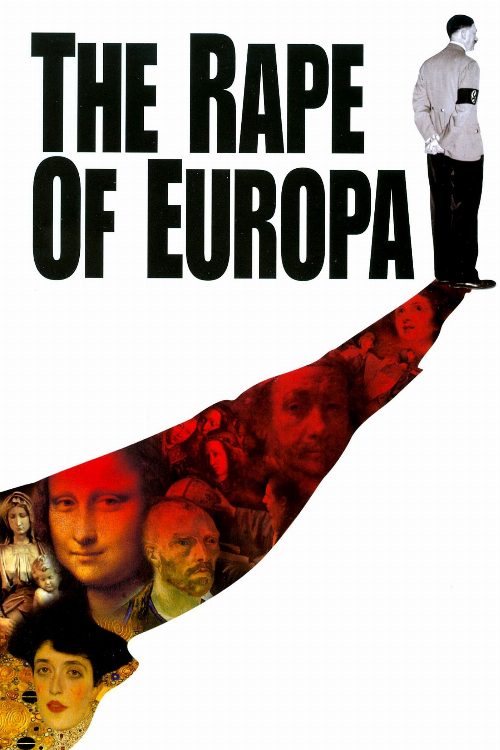
World War II was not just the most destructive conflict in humanity, it was also the greatest theft in history: lives, families, communities, property, culture and heritage were all stolen. The story of Nazi Germany's plundering of Europe's great works of art during World War II and Allied efforts to minimize the damage.
Beyond the visceral devastation of human life during the Second World War lies a secondary, equally chilling campaign of destruction that targeted the soul of Western civilization. The Rape of Europa shifts the lens away from traditional battlefield strategies to examine the systematic and industrial-scale looting of cultural treasures by the Third Reich. While many historical accounts focus primarily on the geopolitical shifts of the 1940s, this documentary highlights how art became a primary casualty of ideological warfare. By cataloging the calculated theft of masterpieces and the subsequent Herculean efforts by Allied forces to safeguard or recover these relics, the film illuminates the fragile intersection between heritage and tyranny. It serves as a stark reminder that when empires fall, the first items seized are often the symbols of the cultures they aim to erase.
For audiences accustomed to the high-stakes narrative intensity found in global cinema, particularly the burgeoning trend of historical dramas emerging from industries like Tollywood or Bollywood, this documentary offers a different kind of tension. It lacks the kinetic action of a blockbuster, yet it carries the intellectual weight of a thriller. The narrative is anchored by the authoritative narration of Joan Allen, whose delivery provides a necessary gravity to the unfolding tragedy of lost provenance and displaced history. It is a work that will resonate deeply with viewers who appreciate investigative storytelling and the meticulous preservation of truth. Much like films that explore the restoration of stolen cultural legacies, this project captures the emotional and logistical exhaustion inherent in reclaiming what history has attempted to bury.
Director Richard Berge constructs a comprehensive account that appeals to both history buffs and art enthusiasts who are fascinated by the intersection of politics and aesthetics. The film excels by showcasing the individuals who risked their lives to act as protectors of human creativity amidst the chaos of total war. It avoids the trap of being a dry academic lecture by focusing on the tangible stakes of what was at risk. In an era where the protection of cultural institutions remains a relevant global concern, this documentary feels surprisingly urgent. It positions itself as an essential watch for those who understand that a nation’s history is not just documented in textbooks, but physically manifested in the canvases and sculptures that survive the ravages of conflict. By documenting the resilience of these objects, the film ultimately celebrates the endurance of the human spirit in the face of absolute destruction.