About The Restless
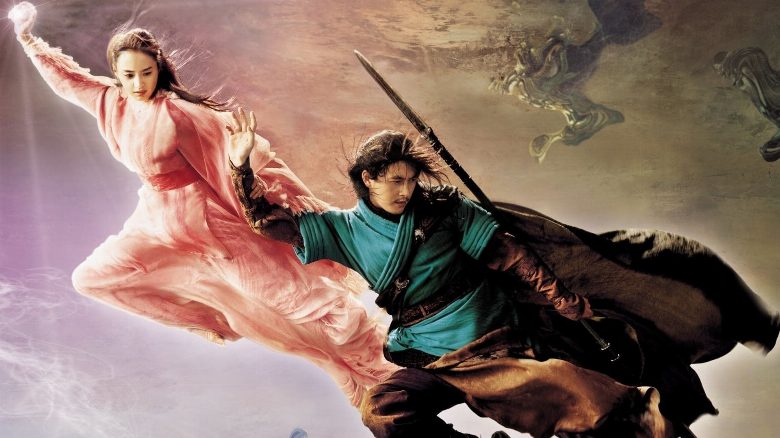
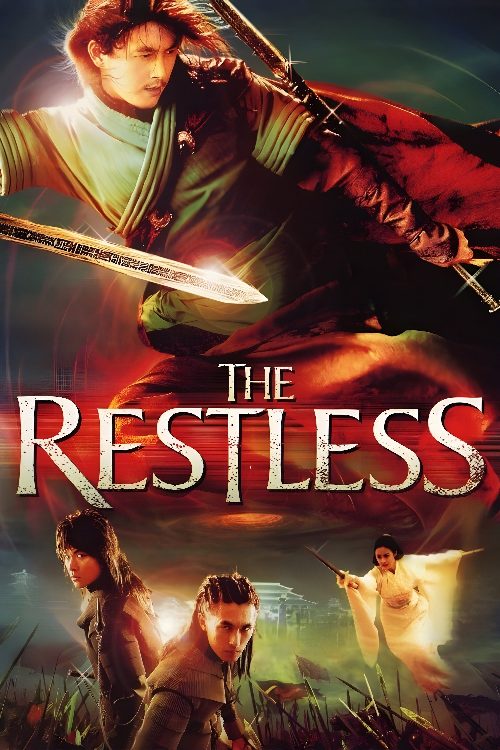
After his beloved fiancée is killed by demons, Yi Gwak joins the royal demon-hunting squad and distinguishes himself as a great hero. And though Yi eventually falls in battle, his adventures are just beginning. His spirit is whisked away to Joong-cheon, a place between heaven and earth where souls await reincarnation -- and where the final, epic clash between the forces of good and evil will be played out.
South Korean cinema has long mastered the art of blending visceral action with melancholic romanticism, and The Restless serves as a striking example of this stylistic marriage. Set against a backdrop of ethereal landscapes and supernatural peril, the film follows a seasoned warrior who finds his personal tragedy eclipsed by a cosmic struggle. While the narrative framework focuses on a man grieving his lost love, the movie elevates itself by placing these human emotions within a visually arresting purgatory. By shifting the setting from a war-torn reality to a dreamlike transition realm between mortality and the afterlife, the production breaks away from standard period dramas to explore the heavy weight of lingering attachments.
This film arrives as a testament to the ambitious high-concept storytelling that defined the mid-2000s Korean wave, a period where directors were increasingly experimenting with digital effects to craft otherworldly environments. For fans of Indian cinema who appreciate the grand scale of mythological epics or the intense, stylized combat found in contemporary pan-Indian blockbusters, this work offers a compelling international parallel. It avoids the gritty realism of typical revenge dramas, opting instead for a painterly aesthetic where every frame feels like a deliberate art installation. The lead performance by Jung Woo-sung grounds the high-flying fantasy elements, providing a stoic yet vulnerable anchor that allows the audience to navigate the complex rules of this spiritual waystation.
Viewers who enjoy atmospheric fantasy that prioritizes emotional resonance over mindless spectacle will find much to admire here. The story functions as a meditation on the difficulty of letting go, suggesting that even in a realm designed for transition, the heart remains tethered to the past. It is a sophisticated choice for those who appreciate cinema that values world-building and visual storytelling as much as its central conflict. By contrasting the cold steel of a demon hunter with the soft, hazy light of a world waiting for rebirth, the film creates a unique tension that keeps the viewer questioning whether the protagonist is truly fighting for salvation or simply chasing a ghost. It stands as a notable entry in the genre, inviting audiences to reflect on the nature of memory and the courage required to finally move forward when the world refuses to stop spinning.