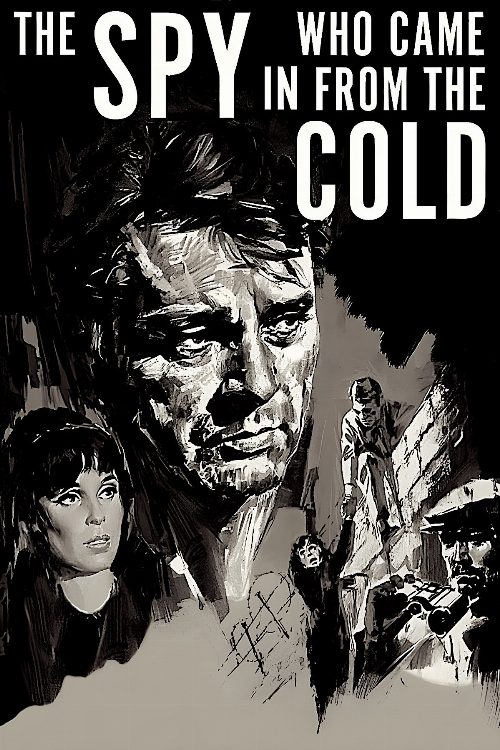
About The Spy Who Came In from the Cold
British agent Alec Leamas refuses to come in from the Cold War during the 1960s, choosing to face another mission, which may prove to be his final one.
The black and white aesthetic of sixties espionage cinema often prioritizes glamour, but this particular production strips away the veneer of high-stakes heroics to expose the grimy, bureaucratic reality of international intelligence work. While modern audiences raised on the fast-paced, gadget-heavy spectacles of contemporary global thrillers might find the pacing deliberate, there is an undeniable tension that resonates through its stark portrayal of moral ambiguity. Much like the intense, psychological slow-burns currently defining the best of Malayalam or Tamil neo-noir cinema, this film avoids traditional action set-pieces in favor of a dense, character-driven narrative that explores the psychological toll of living a lie. It is a masterclass in atmosphere, utilizing a somber, grey-toned visual language that mirrors the internal landscape of a protagonist who has lost his sense of purpose in the shifting tides of global politics.
For viewers who appreciate the complex, grey-shaded character arcs found in recent prestige dramas, this story offers a refreshing departure from the black-and-white morality often demanded by mainstream audiences. It serves as a stark reminder that the most compelling conflicts are frequently those fought in the shadows, where the lines between loyalty and betrayal are hopelessly blurred. The central performance carries the weight of a man who is not merely fighting an enemy, but grappling with the realization that his entire career has been a series of dehumanizing compromises. Fans of political thrillers that prioritize intellectual rigor over mindless spectacle will find much to admire in the way the film dissects the mechanics of deceit.
This project remains a significant historical marker in the evolution of the spy genre, effectively setting the standard for the gritty realism that would influence generations of filmmakers. By focusing on the exhaustion of its lead character rather than the excitement of the mission, it forces the audience to confront the heavy cost of maintaining secrecy. It is an essential watch for those interested in the history of suspense cinema, particularly for fans who enjoy dissecting the psychological motivations behind cinematic anti-heroes. The film does not merely tell a story about a mission; it serves as a profound meditation on the isolation that comes with being a pawn in a much larger, colder game of geopolitical chess. Whether viewed as a period piece or a timeless study of human frailty, it remains a gripping examination of what happens when a person is pushed to the absolute edge of their endurance.
Cast(36)