The Strongest Man in the World(1975)
About The Strongest Man in the World
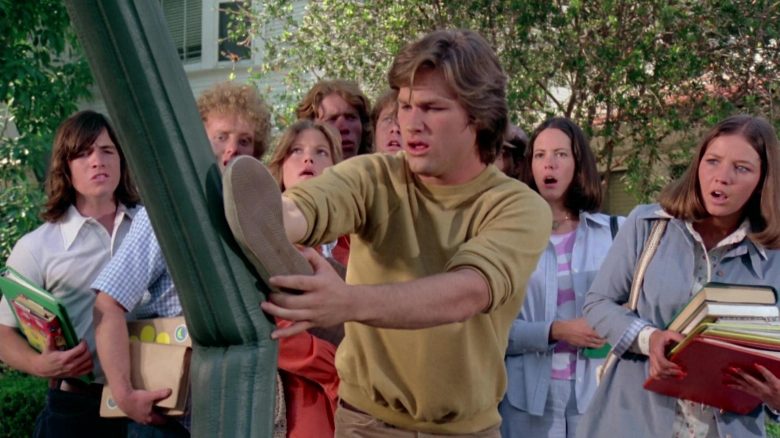
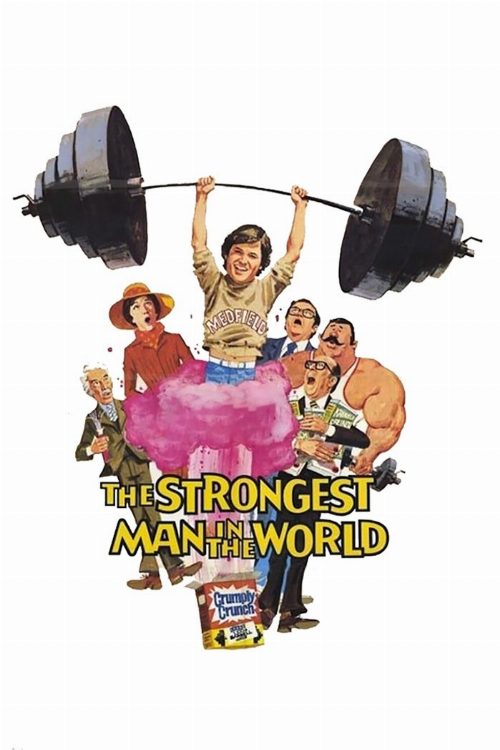
Medfield College science major Dexter Riley and his classmates have been working on a new vitamin compound when a lab accident creates a supercharged mix that ends up in Dexter's cereal box, giving him superhuman strength. The powerful formula comes to the attention of the college dean and two rival cereal companies, touching off a hilarious chain of events.
Long before the current era of cinematic universes dominated by caped crusaders and digital spectacle, Disney leaned into the charm of mid-seventies practical comedy with The Strongest Man in the World. This film serves as a time capsule of a specific brand of family entertainment where the high stakes of science fiction were traded for the slapstick antics of a college campus. By casting Kurt Russell as the unsuspecting protagonist Dexter Riley, the studio leaned into his natural charisma to anchor a premise that could have easily felt ridiculous. Instead, the narrative leans into its own absurdity, exploring the chaotic fallout of a chemical mishap that grants a mild-mannered student physical abilities far beyond the ordinary.
The film operates within the tradition of the lighthearted campus farce, a genre that was particularly popular in American cinema during the mid-seventies. For audiences familiar with the broader landscape of global film, it shares a certain DNA with the regional comedies of the Indian industries, where the trope of an ordinary person gaining extraordinary power—often through divine intervention or accidental discovery—is used to satirize corporate greed or institutional bureaucracy. In this story, the humor stems from the collision between mundane academic life and the predatory interests of major cereal manufacturers. Watching the dean and corporate executives scramble to exploit a student discovery provides a satirical edge that keeps the plot moving even when the scientific logic remains intentionally flimsy.
Viewers who enjoy lighthearted nostalgia or those interested in the early career trajectory of Kurt Russell will find this feature particularly engaging. It offers a clear look at the transition period of classic Hollywood family movies, where the focus remained squarely on ensemble chemistry and physical humor rather than heavy visual effects. The inclusion of seasoned performers like Eve Arden and Cesar Romero adds a layer of professionalism to the proceedings, grounding the frantic energy of the younger cast. Whether one is revisiting this as a piece of childhood memory or exploring it as a historical artifact of genre filmmaking, the movie succeeds as a harmless, energetic romp that prioritizes laughter over realism. It remains a quintessential example of how a simple concept, executed with sincerity and a sharp comedic ensemble, can carve out a lasting place in the history of family-oriented cinema.
Cast(45)