About The Swap
British Tv Movie Thriller
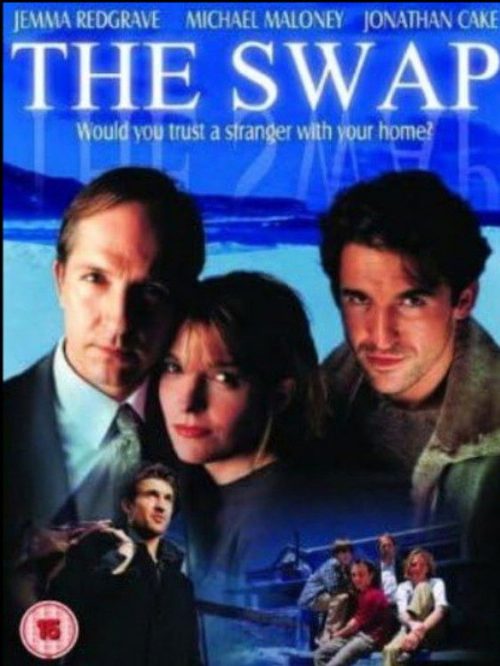
David Drury crafts a tense exercise in psychological manipulation with The Swap, a 2002 British television thriller that explores the dark side of human obsession and the fragility of personal identity. While the landscape of early 2000s suspense dramas was often dominated by formulaic tropes, this production distinguishes itself by focusing on the claustrophobic friction between its central characters rather than relying on high-octane spectacle. By grounding the narrative in a domestic setting that slowly unravels, the film invites viewers into a world where trust becomes a weapon and every interaction carries an underlying sense of dread. It serves as a stark reminder of how quickly the veneer of a stable life can be dismantled when an outsider infiltrates the inner circle with calculated precision.
For audiences who appreciate the methodical pacing of classic British mystery storytelling, this film offers a satisfying experience that prioritizes character development over cheap thrills. It occupies a niche space reminiscent of stage-bound dramas, where the acting serves as the primary engine for the mounting tension. Lara Belmont and Michael Maloney deliver performances that thrive on ambiguity, forcing the audience to constantly reevaluate their allegiances as the plot thickens. The choice to keep the stakes intimate allows the script to delve into themes of jealousy and surveillance, making the experience feel surprisingly grounded despite the heightened circumstances. Those who enjoy dark, character-driven narratives that emphasize mental chess matches will likely find this a compelling watch.
Although the film emerged during a period when television thrillers were rapidly evolving, it remains a notable entry for its commitment to atmospheric dread. David Drury maintains a clinical distance from the characters, which effectively mirrors the voyeuristic nature of the central conflict. It stands as a testament to the effectiveness of tight, contained storytelling, proving that a modest setting can be just as impactful as a sprawling cinematic epic. As we look at the current trends in global cinema, where the thriller genre is seeing a resurgence of interest in psychological complexity, revisiting works like The Swap provides context for how filmmakers have historically navigated the thin line between normalcy and chaos. It is a quintessential piece of suspense that demands patience from its audience but rewards that attention with a chilling exploration of human instability.