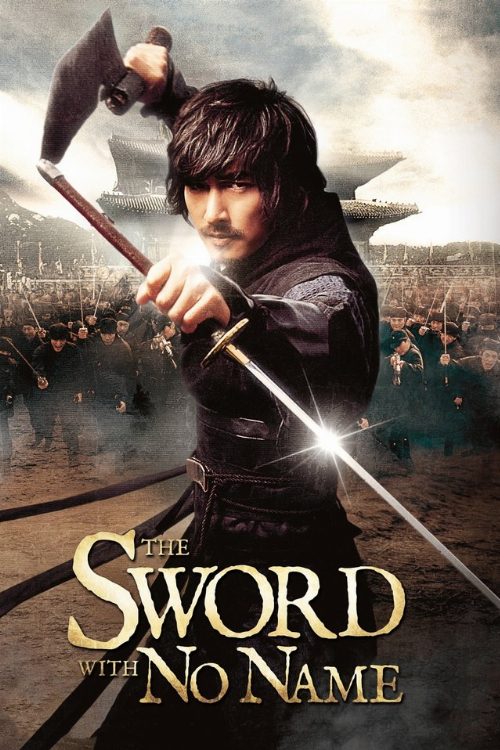
The Sword with No Name(2009)
About The Sword with No Name
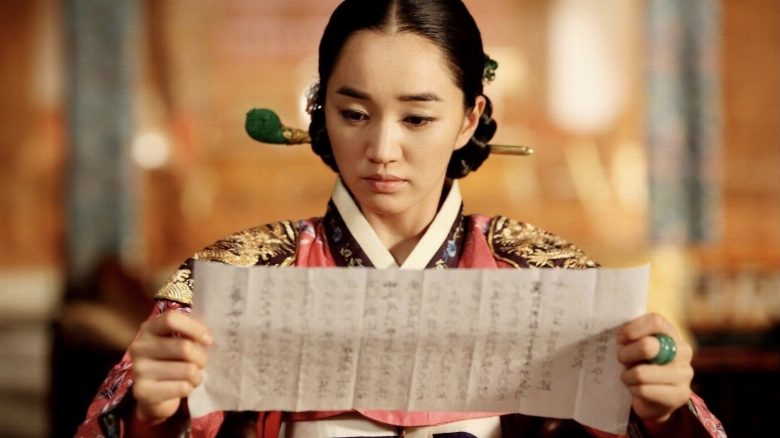
Mu Myeong is a Joseon dynasty headhunter who meets and falls in love with lady Ja Yeong who will become the future Empress Myseongseong. A few years later, Ja Yeong enters the royal palace to marry King Gojong. Mu Myeong still having feelings for Ja Yeong and in an attempt to get closer to her becomes her personal body guard.
Stepping into the lush, turbulent landscape of late nineteenth century Korea, The Sword with No Name offers a sweeping fusion of period political drama and intimate, star-crossed longing. At the heart of this narrative is the transformation of a rugged mercenary into a shadow guardian, a trope that finds renewed resonance here through the prism of the Joseon dynasty. The film distinguishes itself by juxtaposing the cold, calculated machinations of the royal court against the raw, visceral devotion of a man who exists entirely outside the rigid social hierarchies of his time. By focusing on the unspoken emotional tether between a future empress and her protector, the story transcends standard historical action fare, opting instead to explore the heavy toll of duty and the impossible nature of a love that cannot be spoken within palace walls.
This production serves as a prime example of the high-stakes historical epics that helped define the golden age of Korean cinema during the late two thousands, a period marked by meticulous set design and a penchant for grand, cinematic scale. For audiences who appreciate the gravitas found in Indian period dramas or the intense character-driven narratives of modern world cinema, this film provides a compelling look at a pivotal moment in East Asian history. The presence of Cho Seung-woo brings a grounded, weary intensity to the lead role, grounding the more operatic elements of the plot in genuine human vulnerability. His performance anchors the film, ensuring that the spectacle of swordplay and palace intrigue never overshadows the quiet, agonizing reality of a man serving a woman who belongs to the nation rather than to him.
Viewers who enjoy stories about forbidden devotion and the heavy weight of destiny will likely find themselves drawn into this melancholic journey. It is an ideal watch for those who prefer their historical dramas infused with a sense of tragedy rather than purely triumphant revisionism. By leaning into the aesthetic and thematic richness of the Joseon era, the film offers a window into a world where personal desire is constantly sacrificed at the altar of state survival. It remains a poignant study of loyalty and the enduring power of a promise kept in the dark, standing as a notable entry in the filmography of an era that proved Korean filmmakers could masterfully blend historical authenticity with deeply personal, resonant storytelling. Whether you are a devotee of historical sagas or simply appreciate a masterfully crafted slow-burn drama, this work captures a unique intersection of history and heartbreak.
Cast(12)