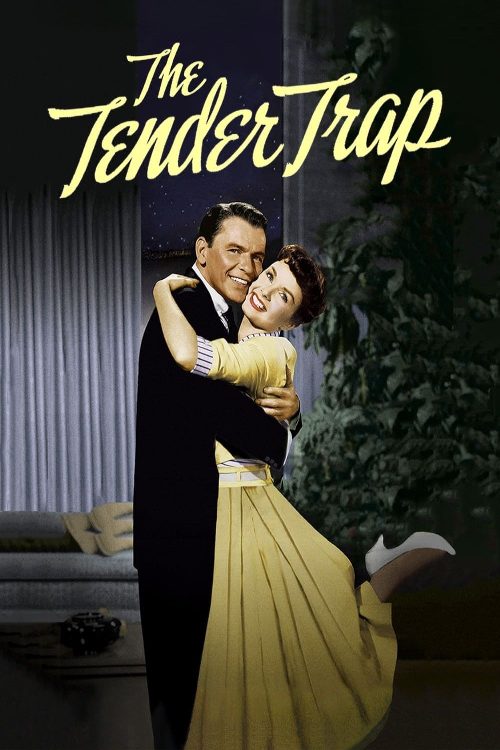
The Tender Trap(1955)
About The Tender Trap
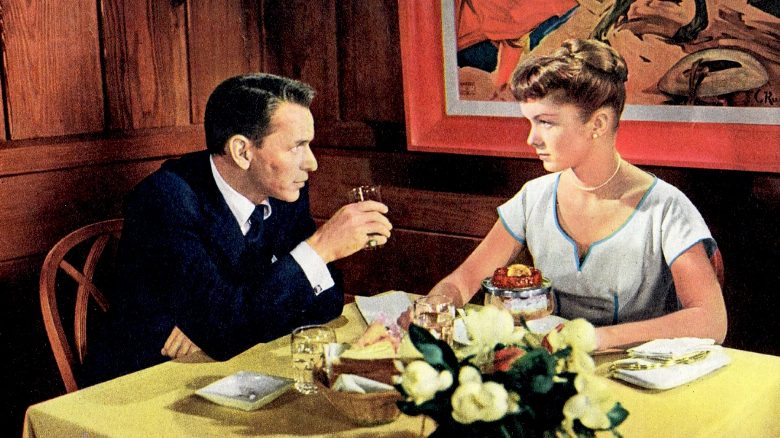
A young actress flirts demurely with a swinging Manhattan bachelor who thinks he has it made.
Mid-century American cinema often captured the friction between traditional domestic expectations and the burgeoning allure of the independent city lifestyle, a theme that remains surprisingly relevant to modern audiences who follow global romantic comedies. The Tender Trap stands as a quintessential artifact of this era, focusing on the breezy, often chaotic life of a bachelor navigating the social currents of New York City. While contemporary viewers might associate the rom-com genre with the high-energy beats of modern Bollywood or the nuanced emotional landscapes of recent Malayalam cinema, this film offers a fascinating look at the foundational tropes of the genre. By pitting the allure of uncommitted freedom against the encroaching pressures of marriage, the narrative provides a lighthearted yet sharp critique of the mid-fifties mindset, serving as a stylistic predecessor to many of the complex interpersonal dramas we see in today’s international film markets.
The strength of the project lies in its sharp dialogue and the vibrant chemistry between its ensemble cast, which includes David Wayne and Celeste Holm. Rather than relying on heavy melodrama, the film utilizes a musical, rhythmic approach to storytelling that feels like a polished stage production brought to the screen. For fans of classic Hollywood, the appeal is obvious, but those who appreciate the structural cleverness of modern Telugu or Hindi romantic entertainers will find a familiar rhythm here. The director, Charles Walters, was well-versed in the language of spectacle and performance, ensuring that the film maintains a brisk, engaging pace that avoids the stagnation often found in dialogue-heavy scripts from the same decade. It is a work that values wit over sentimentality, making it a perfect recommendation for viewers who enjoy character-driven stories where the primary conflict arises from conflicting personal ambitions rather than external villains.
Ultimately, this production occupies a unique space in film history as a bridge between the sophisticated screwball comedies of the thirties and the more cynical examinations of urban relationships that would arrive in the following decades. It captures a specific moment in the evolution of the bachelor archetype, framing the protagonist not as a hero, but as a man whose carefully constructed reality is being dismantled by the very people he considers his friends. Whether you are a student of classic cinema or simply a casual viewer seeking a witty, well-paced story about the complexities of attraction, the film offers a polished, insightful look at the social contracts that govern our lives. It remains a polished example of how to balance humor with a genuine inquiry into what constitutes a fulfilling life, proving that the search for connection is a universal subject that transcends both borders and generations.
Cast(10)