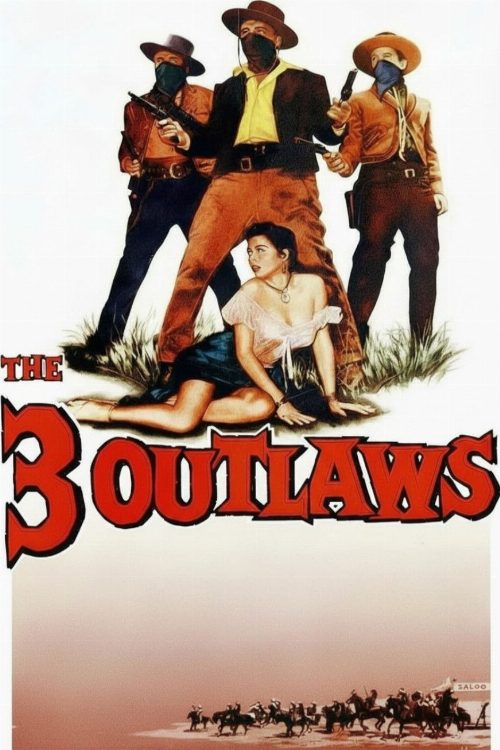
About The Three Outlaws
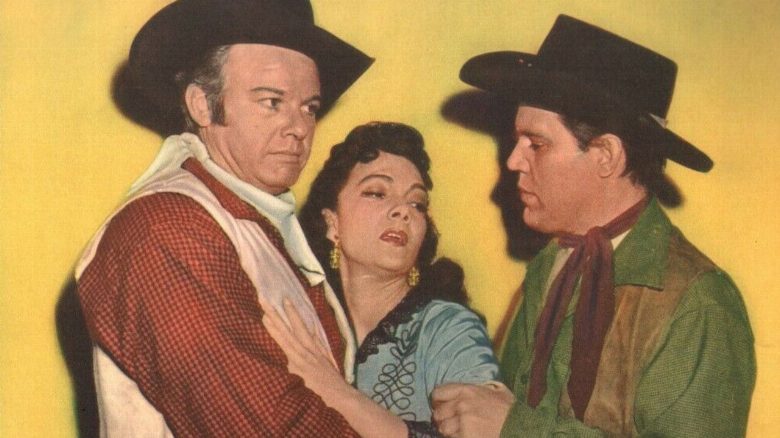
Ready to quit their life of crime, the three "most-wanted" outlaws in the West---Butch Cassidy, Sundance Kid and Bill Carver ---perform their final job by robbing and stealing a train and fleeing across the border. In a South American town they begin their life of respectability by purchasing a ranch and depositing their stolen fortune in the local bank, and throwing a big fiesta to entertain the locals, including Colonel Aguilar and his beautiful daughter Rita.
The golden age of American Westerns often relied on the mythology of the outlaw, yet 1956s The Three Outlaws offers a fascinating departure from the typical morality play by examining the impossible dream of retirement. Directed by Sam Newfield, this film pivots away from the relentless pursuit of justice to focus on the psychological toll of a criminal past. By placing iconic figures like Butch Cassidy, the Sundance Kid, and Bill Carver in a narrative of transition, the movie explores the friction between a history written in gunfire and the aspiration for a peaceful existence. For audiences familiar with the high-octane pacing of modern genre cinema, this production serves as a vintage study in character-driven tension, prioritizing the unease of men trying to bury their reputations rather than just their loot.
This particular chapter of Western lore captures a distinct moment in mid-century Hollywood filmmaking, where the focus shifted toward the internal conflicts of the anti-hero. Neville Brand and his costars anchor the narrative, bringing a gritty, lived-in feel to their roles that helps ground the more theatrical elements of their escape across the border. The film stands out for its geographical shift, moving the standard dusty trail tropes into the vibrant, high-stakes atmosphere of a South American setting. This change of scenery allows for a clash of cultures, as the protagonists attempt to integrate into a new society while remaining shackled to the paranoia of their previous lives. It provides a unique lens through which to view the classic archetype, making it a compelling watch for those interested in how the Western genre navigated the transition from simple black-and-white morality to more complex, humanized storytelling.
Viewers who enjoy the meticulous character development found in contemporary regional Indian dramas, such as the gritty period pieces from the Malayalam industry, will likely appreciate the deliberate pace and thematic weight of this film. It is less about the mechanics of the heist and more about the fragility of a quiet life when one is constantly looking over their shoulder. The presence of established character actors ensures that even the smaller interactions carry a sense of gravity. For film historians and enthusiasts of classic cinema, The Three Outlaws functions as a bridge between the traditional frontier myth and the more cynical, introspective westerns that would dominate the following decade. It is a testament to the enduring appeal of the outlaw narrative, reminding us that even the most notorious figures are ultimately defined by their futile attempts to outrun their own legends.
Cast(9)