
About The Weight
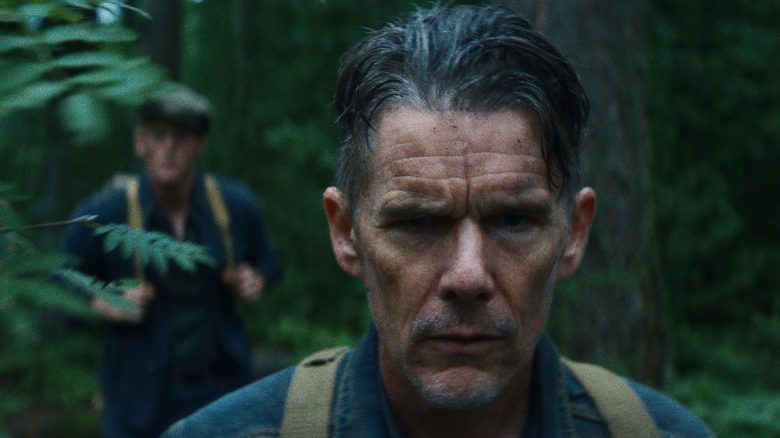
In 1933 Oregon, Samuel Murphy is torn from his daughter and sent to a brutal work camp. Warden Clancy tempts him with early release if he smuggles gold through deadly wilderness, but betrayal festers within the crew, and Murphy questions how far he’ll go to see his child again.
The rugged landscapes of 1930s Oregon provide a visceral backdrop for The Weight, a historical thriller that probes the dark intersection of desperation and moral compromise. While the global cinematic landscape is currently dominated by high-octane spectacles and regional hits from the vibrant industries of Tollywood and Kollywood, Padraic McKinley chooses a more grounded, atmospheric approach. By focusing on a father forced into a harrowing wilderness trek, the film taps into the universal yearning for familial reunion, a theme that resonates deeply with audiences who appreciate the emotional stakes found in the best of Indian dramatic storytelling. Austin Amelio takes on the role of Samuel Murphy, a man whose internal conflict serves as the anchor for a narrative defined by isolation and the encroaching shadow of a corrupt penal system.
McKinley positions this project as a tense character study rather than a standard survivalist drama, leaning heavily into the claustrophobic nature of the work camp environment. The presence of Russell Crowe and Sam Hazeldine suggests a film built on intense acting performances, where the antagonism between the warden and his captives drives the pacing. Fans of period-set thrillers that favor psychological tension over relentless action will likely find this premise compelling. It belongs to a tradition of cinema that explores the fragility of ethics when human beings are stripped of their agency and pushed toward the brink of survival. The interplay between the unforgiving natural environment and the treachery brewing among the men creates a high-stakes scenario where the goal of returning home feels increasingly unattainable.
For viewers who follow the evolution of international dramas, this film offers a fascinating look at how historical settings can mirror contemporary anxieties about power and systemic injustice. It is a stark departure from the lavish musical or action-heavy productions that often define the current box office, yet it occupies a necessary space for those seeking grit and narrative weight. McKinley appears to be crafting a story that prioritizes the visceral toll of the journey, ensuring that the audience feels the exhaustion and the mounting suspicion of the crew as they traverse the dangerous terrain. As the narrative unfolds, the film asks a pointed question about the limits of personal integrity when placed against the overwhelming desire to protect one’s own lineage. It stands as a testament to the enduring appeal of the survival genre, provided it is anchored by a performance as desperate and earnest as the one promised by the lead cast.