About The Wild One
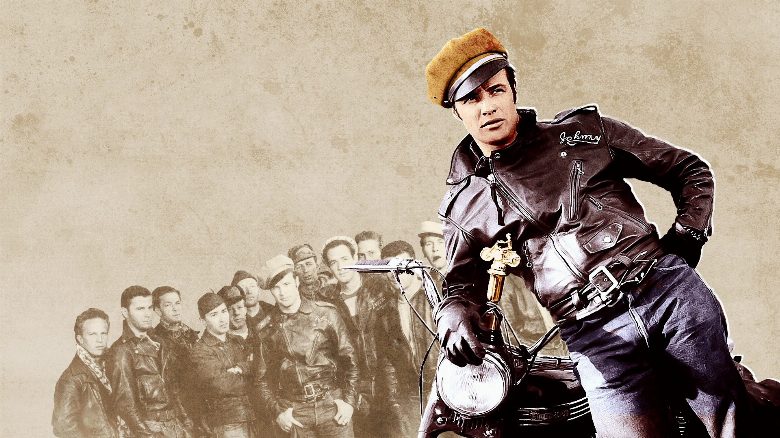
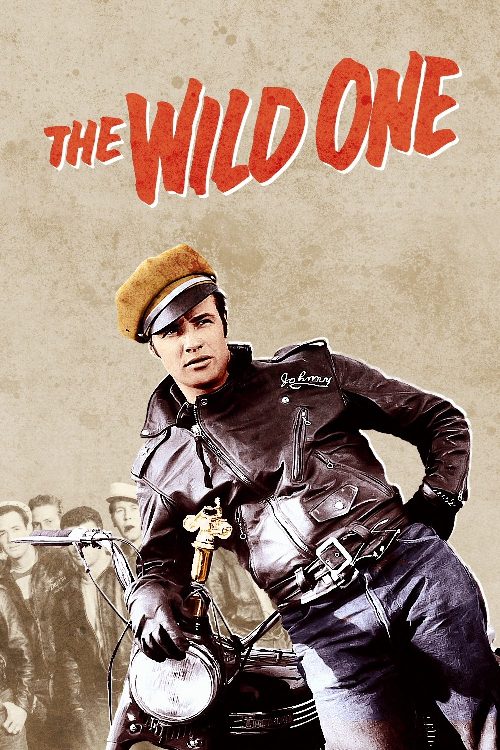
The Black Rebels Motorcycle Club ride into the small California town of Wrightsville, eager to raise hell. Brooding gang leader Johnny Strabler takes a liking to Kathie, the daughter of the local lawman, as another club rolls into town.
Few cinematic images have left as deep a scar on the cultural consciousness as a leather clad rebel perched atop a motorcycle, embodying a restless spirit that defined an entire generation. While modern audiences raised on the high octane intensity of contemporary pan Indian action spectacles might view the pacing of The Wild One as deliberate, its impact on the grammar of cinema is undeniable. This mid century drama functions as a foundational text for the anti hero archetype, exploring the friction between tight knit rural communities and the encroaching shadow of youthful defiance. Unlike the polished, hyper stylized protagonists often seen in today’s Telugu or Hindi blockbusters, the central figure here is raw, unpredictable, and entirely unconcerned with social redemption.
The narrative centers on a small town blindsided by the arrival of a motorcycle gang, a premise that feels remarkably familiar to anyone who tracks the evolution of the outsider trope in global film history. It captures a specific moment in American social history, yet its exploration of mob mentality and the volatility of young men mirrors the thematic depth found in many celebrated Malayalam or Tamil character dramas. The tension arises not just from the clash of two rival factions, but from the unsettling way the protagonist interacts with the local populace. By positioning the town as a microcosm of fragile order, the film forces the viewer to consider how easily tranquility can be dismantled by those who reject conventional pathways.
For cinephiles who appreciate the evolution of the rebel icon, this production is an essential watch. It strips away the glamour often associated with motorcycle culture, favoring a gritty realism that feels surprisingly grounded despite its age. Viewers who enjoy films that prioritize mood and subtext over grand spectacle will find much to admire in the measured, brooding performance at its heart. The director crafts an atmosphere of impending chaos that keeps the stakes feeling personal rather than purely physical. Whether you are a fan of classic Hollywood or a student of how independent spirits are portrayed on screen, this work remains a benchmark for how to build tension without ever needing to rely on the pyrotechnics that dominate our multiplexes today. It stands as a testament to the fact that sometimes the most dangerous force in a town is not a weapon, but a man who refuses to follow the rules of the society he inhabits.
Cast(61)