
About The World to Live In
Stenographer Rita Charles is a woman who courts the attention of wealthy men. Rita works for T. J. Olverson during the day, and sees wealthy New Yorker Hugh Chalvey at night. She meets Dr. Varian, a young settlement doctor, who falls in love with her, but Rita does not encourage him because he does not make enough money. She tries to get Hugh to propose, but he does not want to marry her.
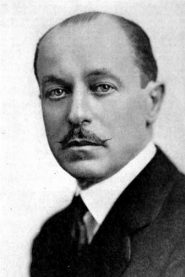
Stepping back into the silent era of 1919 reveals a fascinating snapshot of social climbing and romantic ambition that feels surprisingly relevant to modern sensibilities. Directed by Charles Maigne, The World to Live In presents a character study of Rita Charles, a woman navigating the complexities of the urban landscape in an age where financial security often dictated the terms of courtship. While contemporary Indian cinema frequently explores the tension between traditional family expectations and individual professional aspirations, this vintage American production mirrors those concerns through the lens of a stenographer striving to elevate her status. The narrative focuses on the precarious balance between a career in a bustling office and the allure of high society, capturing a specific moment in time when the independence of working women was increasingly scrutinized against the backdrop of marriage as an economic necessity.
The film distinguishes itself by focusing on the pragmatic, if sometimes ruthless, choices of its lead character rather than relying solely on sentimental tropes. Rita is positioned as a woman who understands the transactional nature of her environment, expertly juggling the attentions of a wealthy bachelor while keeping a more grounded suitor at arm’s length. For audiences who appreciate the nuanced character work found in classic period dramas, this film serves as an engaging look at how personal ambition was portrayed on screen over a century ago. It operates as a critique of the rigid social hierarchies of its day, highlighting the isolation that often accompanies the pursuit of material success. The performance of the cast provides a window into the acting styles of the late nineteen-tens, where subtle facial expressions and deliberate physical movements carried the weight of the dialogue.
This project is best suited for cinephiles who enjoy dissecting the evolution of the romantic comedy genre and the history of women in the workforce. By examining the choices made by the protagonist, viewers can draw interesting parallels to current trends in global cinema where characters frequently grapple with the intersection of love and financial stability. Maigne demonstrates a clear eye for the pressures faced by his lead, ensuring that her journey remains the central focus even as she navigates a web of complex social obligations. It stands as a testament to the enduring appeal of stories about people attempting to define their own worth in an unforgiving world, making it a compelling addition to any study of early twentieth-century storytelling.