
About Thoroughbreds
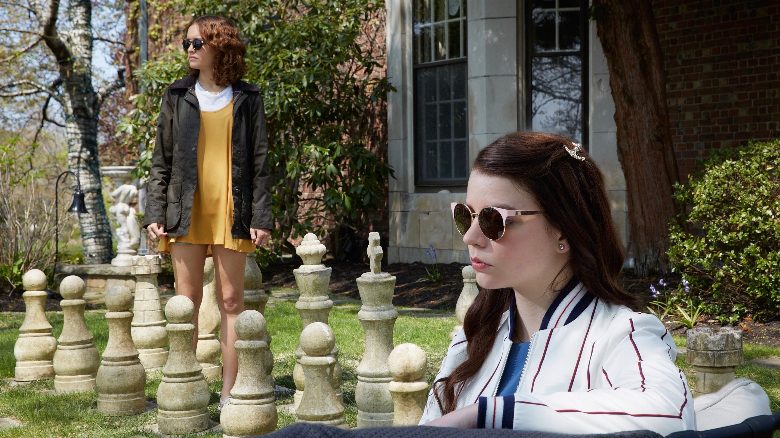
Lily and Amanda, two high school students living in suburban Connecticut, rekindle their unlikely friendship after years of drifting apart. Together, they devise a plan to kill Lily's abusive stepfather by hiring a lowlife drug dealer.
When the polished veneer of suburban affluence meets the jagged edges of teenage sociopathy, the result is a chillingly detached exploration of morality. Thoroughbreds stands out in the landscape of psychological thrillers by stripping away the typical frantic energy of coming of age dramas and replacing it with a cold, calculated stillness. Set against the backdrop of an impeccably curated Connecticut estate, the film follows two estranged childhood friends who navigate the suffocating boredom of their reality by entertaining the unthinkable. Rather than leaning on jump scares or high octane action, the narrative thrives on the unsettling chemistry between its leads, creating a tension that feels both sophisticated and deeply uncomfortable.
The film serves as a masterclass in tone, heavily influenced by the dry, biting wit often associated with dark satires. It feels distinct from the standard thriller fare due to its theatrical staging and focus on the internal architecture of its characters minds. For viewers who appreciate the slow burn menace found in modern cult classics or the precise, dialogue driven intensity of independent dramas, this project offers a refreshing departure from conventional genre tropes. It avoids the melodramatic traps that often plague stories about youth, opting instead for a deadpan delivery that makes the escalating stakes feel strangely inevitable rather than shocking.
A significant portion of the film’s gravity comes from the performances, which anchor the surreal premise in something resembling human logic. The writing demands a high level of nuance, requiring the leads to communicate volumes through silence and micro expressions rather than overt histrionics. This approach makes the film particularly compelling for audiences who prefer cinema that prioritizes atmosphere and character study over traditional plot progression. By focusing on the intersection of privilege and emotional detachment, the narrative challenges the viewer to look past the surface level aesthetics and confront the emptiness hiding behind the manicured lawns. It is a precise, surgical piece of filmmaking that remains etched in the memory long after the final scene, appealing primarily to those who enjoy stories that operate in shades of gray rather than moral absolutes.
Cast(16)