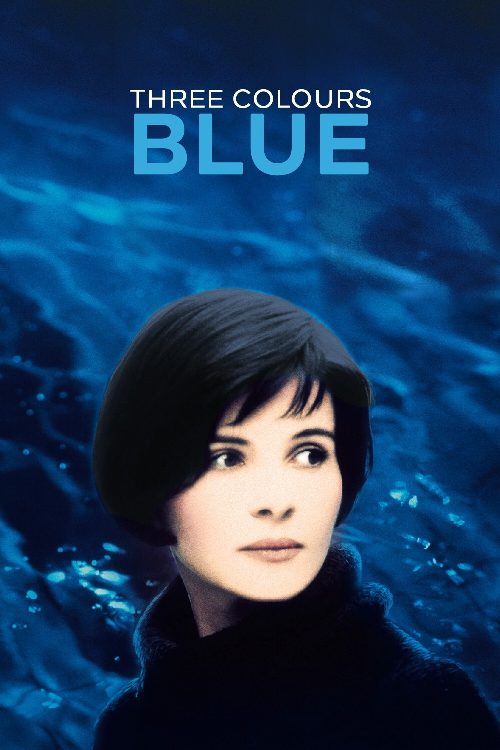
Three Colors: Blue(1993)
About Three Colors: Blue
The wife of a famous composer survives a car accident that kills her husband and daughter. Now alone, she shakes off her old identity and explores her newfound freedom but finds that she is unbreakably bound to other humans, including her husband’s mistress, whose existence she never suspected.
Krzysztof Kieślowski’s Three Colors: Blue delves into the profound aftermath of tragedy, presenting a cinematic exploration of loss and the unexpected tendrils of human connection. Following a devastating accident that claims the lives of her composer husband and young daughter, the protagonist embarks on a solitary journey. This isn't a typical tale of overcoming grief; instead, it’s a nuanced portrayal of shedding a past identity and confronting a future shrouded in uncertainty. The film masterfully navigates the complex emotional landscape as she grapples with her newfound, albeit somber, liberty and the unforeseen entanglements that emerge from the ruins of her former life, particularly with a figure she never knew existed.
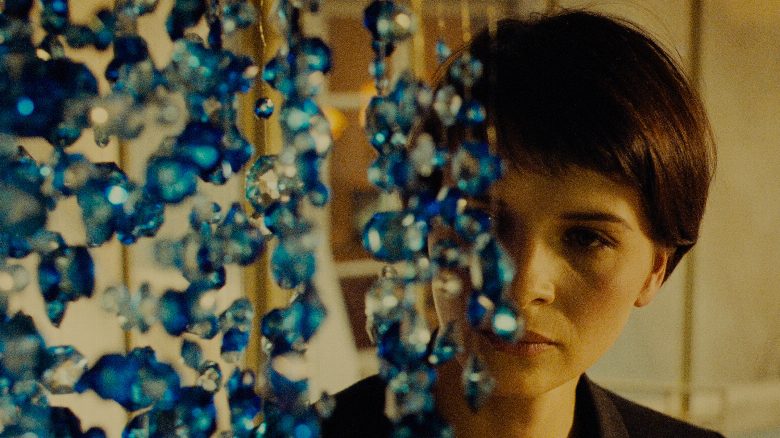
This 1993 French drama, the first installment in Kieślowski's acclaimed Three Colors trilogy, stands out for its artistic sensibility and philosophical depth. Unlike many films that focus on cathartic resolution, Blue is more interested in the lingering questions and the subtle shifts in perspective that grief can instigate. It's a film that rewards patience and introspection, inviting viewers to contemplate themes of freedom, isolation, and the inescapable bonds that tie us to one another. The visual language of the film, often characterized by its striking use of color and evocative cinematography, further enhances its contemplative mood, creating an immersive experience for those who appreciate cinema as an art form.
Viewers who gravitate towards character-driven narratives, existential ponderings, and visually sophisticated filmmaking will find much to admire in Three Colors: Blue. It’s a movie for cinephiles who enjoy dissecting emotional complexities and appreciate a director’s distinct voice. While the film’s pace is deliberate and its focus is internal, the performances are deeply resonant, particularly the central portrayal of a woman navigating an unimaginable void. Kieślowski, known for his thoughtful exploration of human morality and spirituality in works like The Decalogue and the subsequent Blue, White, and Red trilogy, crafts a compelling study of resilience and the surprising ways life continues to unfold, even in the face of profound sorrow.
Cast(13)