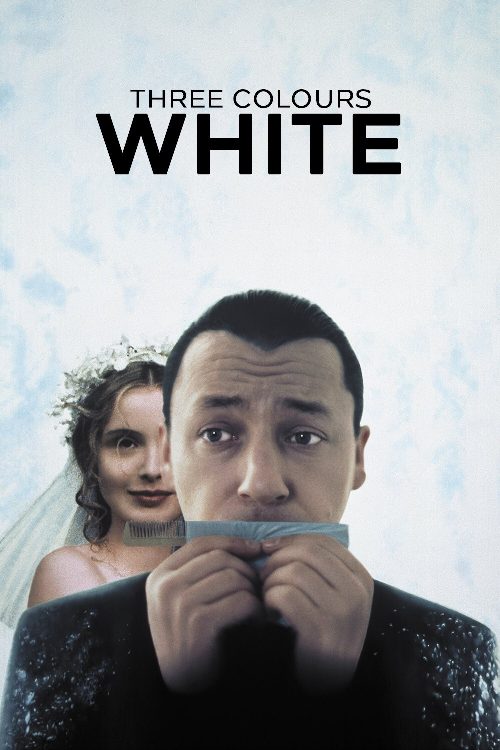
About Three Colors: White
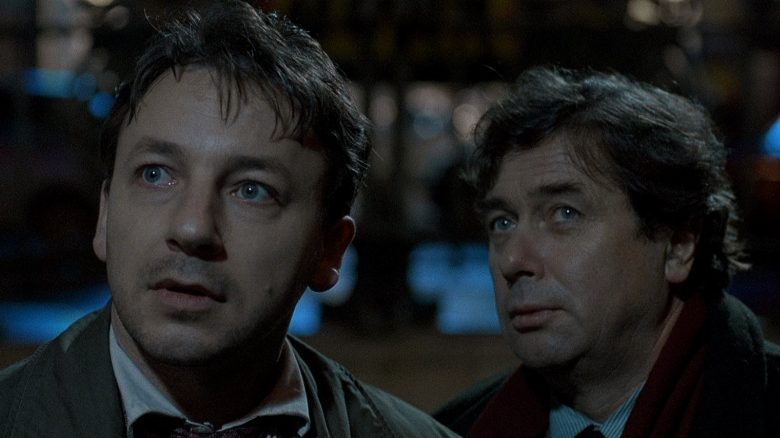
Polish immigrant Karol Karol finds himself out of a marriage, a job and a country when his French wife, Dominique, divorces him after six months due to his impotence. Forced to leave France after losing the business they jointly owned, Karol enlists fellow Polish expatriate Mikołaj to smuggle him back to their homeland.
A tale of exile and improbable return takes center stage in Krzysztof Kieślowski's captivating 1994 French production, Three Colors: White. This film, the second installment in the director's acclaimed Three Colors trilogy, delves into the complex emotional landscape of a Polish man, Karol Karol, who finds his life in Paris irrevocably fractured. Stripped of his business and facing a humiliating divorce due to his perceived inadequacy, Karol is left with nothing but a desperate desire to reclaim his dignity and his homeland. The narrative unfolds as a darkly comedic odyssey, tracing Karol's clandestine journey back to Poland, where he plots a convoluted scheme to rebuild his life and perhaps exact a subtle revenge.
Within the context of global cinema, Three Colors: White stands as a unique exploration of identity, ambition, and the often absurd twists of fate. While French in production, its heart beats with a distinctly Polish rhythm, offering a poignant commentary on the immigrant experience and the yearning for belonging. Kieślowski, known for his profound philosophical inquiries and visually arresting style, imbues the film with a signature blend of melancholic humor and unexpected turns. The performances, particularly from Jerzy Stuhr as the resourceful Karol Karol and Julie Delpy as the enigmatic Dominique, are central to the film's enduring appeal, navigating the delicate balance between pathos and satire.
Viewers who appreciate films that defy easy categorization and provoke thoughtful reflection will find much to savor here. Three Colors: White is not a straightforward revenge flick nor a simple romantic drama; instead, it's a nuanced character study that explores themes of impotence in both its literal and metaphorical senses – the inability to perform, to achieve, and to connect. Those drawn to European arthouse cinema, with its emphasis on psychological depth and unconventional storytelling, are likely to be captivated by Kieślowski's distinctive vision. The film offers a compelling, often surprising, look at a man determined to redefine his destiny against all odds.
Cast(26)