About Three Week Ends
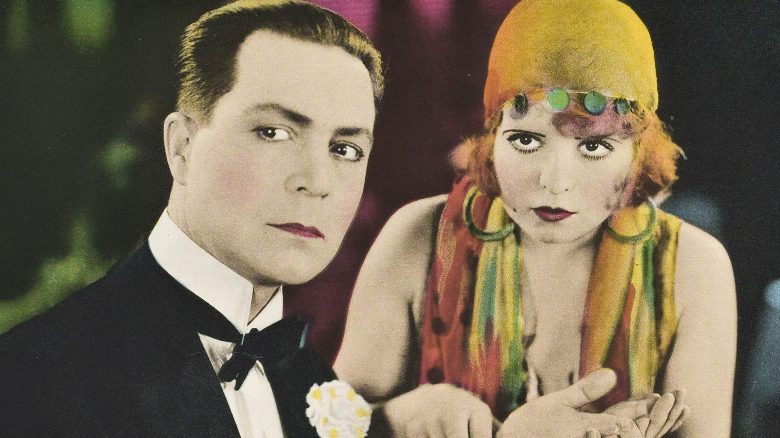
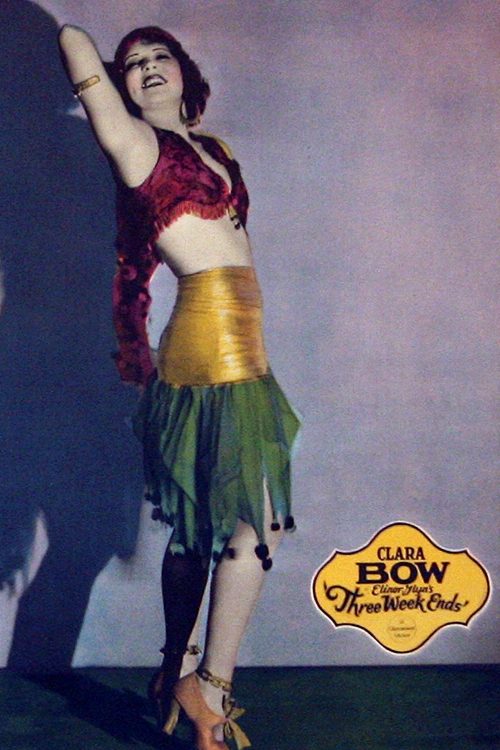
A sexy young nightclub singer sets her sights on a young man she believes to be a millionaire playboy, although he is in reality only an insurance agent.
Clara Bow remains the definitive icon of the Jazz Age, and Three Week Ends serves as a quintessential artifact of her meteoric rise to stardom during the height of the silent film era. In this charming blend of romantic comedy and social drama, the narrative explores the aspirational spirit of the roaring twenties through the lens of mistaken identity and class mobility. Bow portrays a vivacious nightclub performer who navigates the glittering social circles of New York, driven by a determination to capture the heart of a man she assumes to be an heir to a fortune. The central tension arises not from malice, but from the era’s obsession with upward mobility, as her target is actually a modest insurance representative rather than the tycoon she imagines him to be.
For contemporary audiences familiar with the evolution of Indian cinema, the structural DNA of this film feels surprisingly resonant with the sensibilities of modern romantic comedies found in Bollywood or Tollywood. The trope of the working-class protagonist maneuvering through high society under false pretenses is a storytelling staple that transcends geography, echoing the vibrant, music-filled dramas that remain popular across the subcontinent today. Director Clarence G. Badger masterfully utilizes the pacing of the late twenties to build a lighthearted atmosphere, ensuring the stakes feel personal and whimsical rather than heavy-handed. It is a fascinating study in how the silent film industry codified the romantic formula that still dictates much of the global cinematic landscape.
This picture is essential viewing for those interested in the history of the star system, as it captures the specific charisma that made Bow a cultural phenomenon. While modern viewers might initially be struck by the lack of synchronized dialogue, the expressive performances and the kinetic energy of the nightclub sequences compensate with visual storytelling that feels remarkably ahead of its time. It is a film for the history buff who wants to see the origins of the rom-com genre, as well as the casual fan of classic Hollywood who appreciates the stylized glamour that defined the decade. By grounding its central deception in a relatable desire for a better life, the film secures its place as a poignant, if playful, look at the dreams that fueled the urban experience in the early twentieth century.
Cast(9)