About U2: 360° at the Rose Bowl
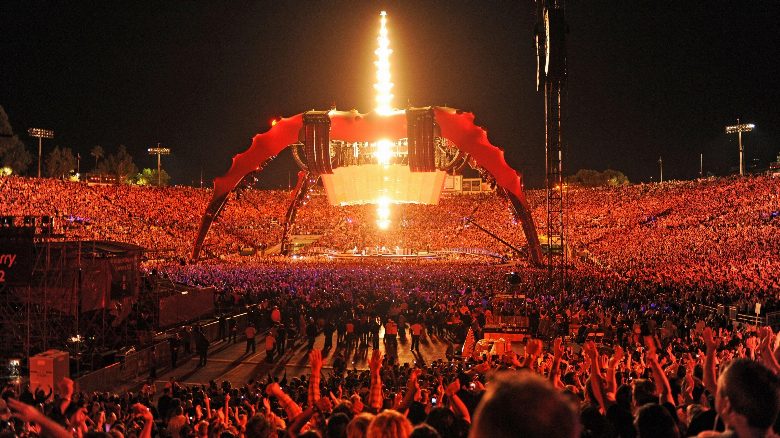
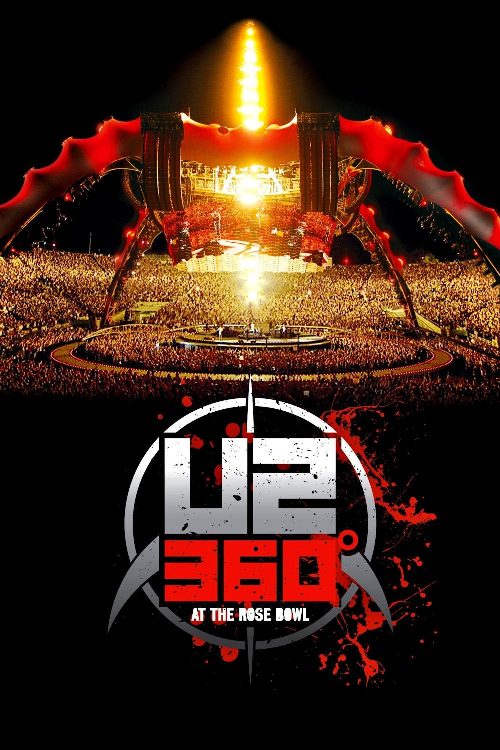
U2's 360° concert at the famous Pasadena Rose Bowl was U2's biggest ever show in the United States with a box office attendance in excess of 97,000. The first live streaming of a full-length stadium concert, U2360° at the Rose Bowl streamed across seven continents, making history with over 10 million views in one week. Shot entirely in HD, this ground breaking concert was filmed with 28 cameras and directed by Tom Krueger who previously shot the concert film U23D. U2360° resumes in Europe in August with North American dates to follow in 2011.
Transcending the limitations of traditional concert documentation, the 2010 release of U2 360 at the Rose Bowl serves as a definitive time capsule for a band operating at the absolute peak of their global scale. While modern Indian cinema often emphasizes the grand visual spectacle of pan-Indian blockbusters, this production mirrors that same ambition by transforming a sprawling California stadium into an intimate, high-definition arena experience. Directed by Tom Krueger, the film captures a technical marvel of stagecraft that feels less like a simple performance recording and more like a carefully choreographed industrial ballet. For fans of massive musical events, this stands as a masterclass in how to translate the raw energy of a live crowd into a cinematic language that feels both vast and personal.
The film is positioned as a landmark moment in digital distribution, arriving at a time when the world was just beginning to embrace the potential of global live-streamed events. By utilizing nearly thirty cameras to cover every angle of the band's iconic claw-shaped stage, Krueger ensures that viewers at home receive a vantage point arguably superior to those sitting in the nosebleed sections of the venue. This approach resonates with the current trend in global entertainment where music and film increasingly collide, offering audiences a premium way to engage with legends like Bono, The Edge, Adam Clayton, and Larry Mullen Jr. without needing to navigate the logistical nightmares of a sold-out stadium.
This project is an essential watch for those who appreciate the intersection of cutting-edge technology and artistic endurance. It caters specifically to followers of classic rock who want to witness how U2 reinvented the stadium concert experience during a period of peak cultural relevance. Even for viewers accustomed to the high-octane song-and-dance sequences found in contemporary Telugu or Hindi cinema, there is a rhythmic precision here that demands respect. By documenting one of the largest single-night audiences in American history, the film secures its status as a vital piece of music history. It functions as a reminder that when scale is married to technical excellence, a concert film can transcend its genre to become a piece of high-stakes, immersive entertainment that stands the test of time.