
About Union County
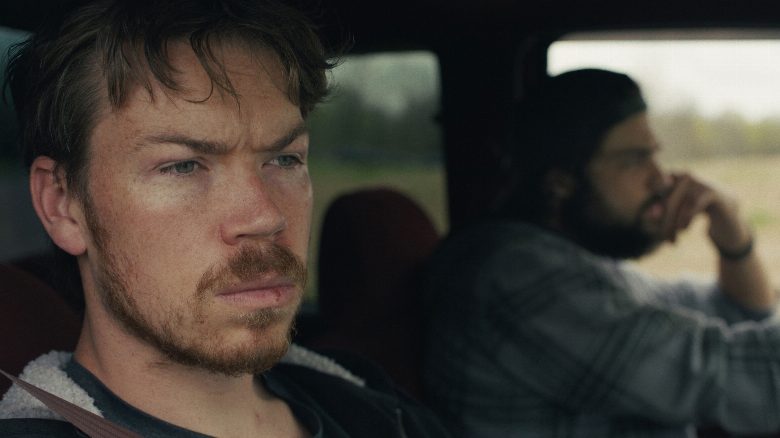
Assigned to a county-mandated drug court program, Cody Parsons embarks on the tenuous journey toward recovery amid the opioid epidemic in rural Ohio.
The haunting landscape of rural America serves as a stark backdrop for Union County, a 2026 drama that strips away the glamorized tropes often associated with addiction narratives to reveal the grueling reality of legal systems and personal redemption. Emily Meade anchors the film with a performance that feels less like acting and more like a quiet, desperate act of survival. By centering on a character forced into a rigid judicial recovery program, the story avoids the typical pitfalls of melodrama, instead opting for a clinical, almost observational look at how institutional oversight clashes with the messy, unpredictable nature of human healing. It is a film that demands patience, rewarding viewers who appreciate character studies that prioritize psychological authenticity over explosive plot beats.
While the Indian film industry has recently seen a surge in gritty, regional social dramas that tackle systemic inequality, Union County offers a distinct cross-cultural parallel by exploring the specific pressures of the Appalachian opioid crisis. For audiences accustomed to the high-stakes emotional intensity found in contemporary Telugu or Malayalam cinema, this film serves as a somber companion piece. It explores the idea of the individual against the state, a common theme in global cinema, yet it grounds its stakes in a quiet, isolated American setting that feels worlds away from the bustling urban centers often depicted in mainstream media. The film acts as a sobering meditation on the cycle of intervention and relapse, making it a challenging but essential watch for those who track how global storytelling is currently shifting toward more localized, intimate portraits of struggle.
Those who gravitate toward indie dramas that favor naturalistic dialogue and raw atmosphere will find much to admire here. It is clearly positioned for a sophisticated audience, one willing to sit with the discomfort of a protagonist whose path to stability is perpetually undermined by both external bureaucracy and internal demons. The production team has managed to capture an aesthetic of exhaustion that mirrors the lead character’s internal state, ensuring that the visual language of the film complements its thematic weight. Emily Meade demonstrates a remarkable ability to convey volumes through silence, making her character a focal point for a broader conversation about dignity in the face of societal collapse. As a piece of contemporary drama, it stands as a testament to the power of small-scale stories, proving that the most profound conflicts are often those fought in the quiet corners of a courtroom or the lonely stretches of a rural highway.