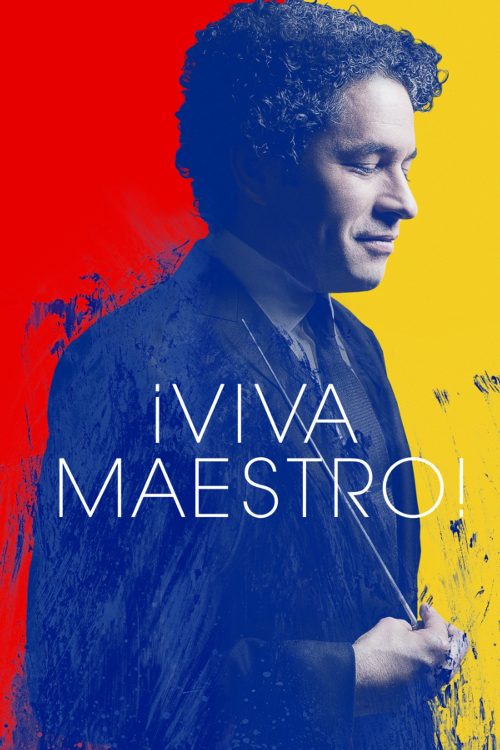
About ¡Viva Maestro!
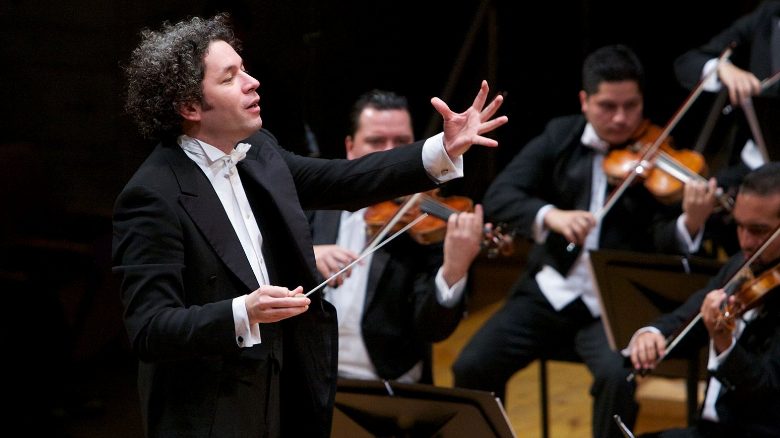
Conductor Gustavo Dudamel sets the music world afire with his original interpretations of the greatest symphonic works. He is named one of Time's "100 Most Influential People" and serves as music and artistic director of the Los Angeles Philharmonic. Amidst social unrest in his native Venezuela, he devises an innovative concert that celebrates the power of art to renew and unite.
Few figures in the contemporary classical music landscape command the same level of global fascination as Gustavo Dudamel, a conductor whose career trajectory has been nothing short of meteoric. In Viva Maestro, director Ted Braun crafts an immersive portrait that transcends the typical concert film, opting instead to examine the intersection of high art and volatile political reality. Rather than focusing solely on the technical mastery required to lead the Los Angeles Philharmonic, the documentary captures the internal conflict of a man caught between his professional obligations on the international stage and the crumbling stability of his home country. It is a compelling study of a cultural icon grappling with the limitations of his influence when the world he loves begins to fracture under the weight of civil strife.
The film distinguishes itself by framing the symphony not just as a vessel for aesthetic beauty, but as a potential mechanism for social healing. For audiences familiar with the vibrant storytelling traditions of Indian cinema, where the struggle for identity and the role of the artist in public life are often central themes, this documentary will strike a familiar chord. It speaks to the universal tension between personal legacy and the collective spirit of a nation, presenting Dudamel as a bridge-builder who believes that complex orchestral arrangements can offer a path forward during times of extreme division. The cinematography elegantly mirrors the intensity of his baton, pulling the viewer into the raw emotion that defines his signature performance style.
Viewers who gravitate toward character-driven narratives that eschew dry biography in favor of emotional stakes will find this project particularly rewarding. It is an essential watch for those interested in the sociology of art and the heavy burden that high-profile creators carry when their homeland faces a crisis. By documenting his efforts to organize a concert that serves as a defiant act of unity, the production elevates the narrative from a standard profile to a meditation on resilience. Whether you are a devotee of classical arrangements or simply a fan of stories about principled individuals facing impossible circumstances, the film offers a sophisticated look at the human cost of leadership. It stands as a testament to the idea that even in the face of profound systemic breakdown, the pursuit of harmony remains a vital, if difficult, human endeavor.