About Vlci
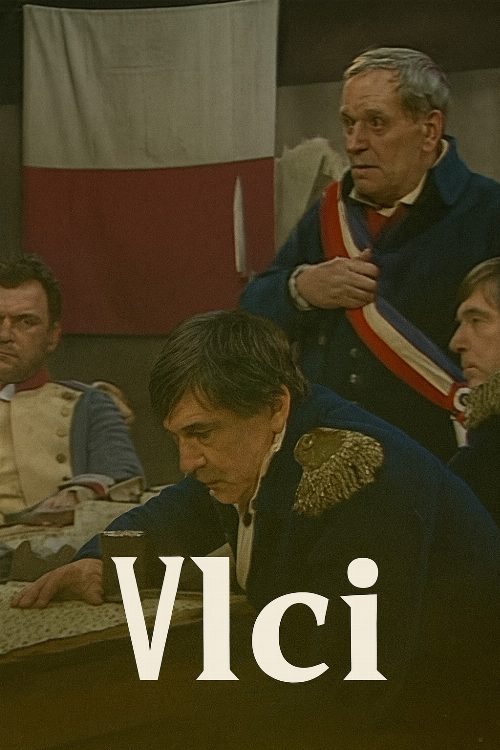
Stepping back into the landscape of early eighties Slovak cinema, Vlci emerges as a curious relic that captures a specific brand of regional humor often overlooked by international audiences. While the broader Eastern European film scene of the era is frequently remembered for its stoic dramas or heavy political allegory, this comedy opts for a lighter, more character-driven approach that relies on the sharp comedic timing of its ensemble cast. The film brings together some of the most recognizable faces of the stage and screen from that period, including the venerable Karol L. Zachar and the versatile Andrej Hryc, whose combined presence anchors the narrative in a grounded, authentic reality. By focusing on the interplay between these veteran performers, the movie manages to elevate a simple premise into a study of human quirks and social friction.
The strength of this production lies in its ability to navigate the nuances of local life with a playful cynicism that resonates even decades later. It reflects a time when Slovak filmmakers were finding creative ways to infuse levity into their storytelling, often using irony as a tool to explore the everyday struggles of their characters. For those interested in the evolution of European comedy, Vlci serves as a fascinating companion piece to the works of its contemporaries, offering a window into a cinematic tradition that prioritized wit and rapport over grand spectacle. The direction maintains a steady pace, allowing the actors to breathe life into their roles without succumbing to the slapstick tendencies that often defined comedies of that decade.
Viewers who enjoy character-focused narratives and are curious about the cultural texture of pre-nineties Czechoslovakia will likely find this film worth a look. It is an ideal pick for those who appreciate cinema that favors dialogue and personality over intricate plot twists. While it may not carry the global recognition of larger studio projects, it stands as a testament to the talent within the Slovak industry, showcasing how a well-assembled cast can transform a modest script into an engaging experience. As an artifact of its time, the film remains a charming look back at a period when theater-trained actors were the backbone of national storytelling, bringing a level of sophistication to the screen that remains impressive today. Whether you are a scholar of global comedy or simply a casual fan seeking a nostalgic trip through lesser-known European titles, this film provides an insightful glimpse into a distinct stylistic era.