
About Wall Engravings
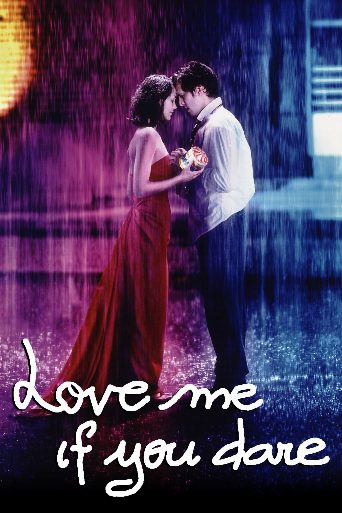
Jeanne looks back on her love for Jean. The melancholic young man wouldn't accept the world as it was, always wishing to depart. She doesn't know that he's dead.
Memory often acts as a fragile sanctuary, a concept explored with haunting precision in the 1968 French drama Wall Engravings. Rather than presenting a straightforward narrative of romance, the film invites viewers into the fractured psyche of Jeanne, a woman whose internal landscape is defined by an enduring devotion to Jean. The story functions as a lingering meditation on the chasm between reality and perception, capturing a protagonist who remains blissfully unaware that the object of her affection is no longer among the living. This displacement of time and truth elevates the film beyond a standard period piece, positioning it as an evocative study of grief that resonates with anyone interested in the psychological depth of European New Wave cinema.
For audiences accustomed to the high-octane emotional beats of modern Telugu or Hindi cinema, Wall Engravings offers a starkly different, contemplative rhythm that prioritizes atmosphere over plot mechanics. While Indian cinema frequently employs dramatic songs or grand confrontations to externalize internal turmoil, this French classic chooses a hushed, intimate approach. It serves as a fascinating companion to films that explore the lingering ghost of a past lover, echoing themes found in regional masterpieces that grapple with the weight of unspeakable loss. The performance by Orane Demazis anchors the film, imbuing Jeanne with a profound sense of yearning that feels universal despite the specific cultural markers of its late sixties setting.
The film is particularly compelling for cinephiles who appreciate the aesthetic rigor of mid-century European filmmaking, where every frame feels like a deliberate choice rather than a necessity of the script. The character of Jean, portrayed as a restless spirit at odds with his environment, represents the existential restlessness that defined much of the artistic output of that era. By focusing on the disconnect between the protagonist's memories and the cold, unyielding world, the director creates a space for reflection that is as intellectually stimulating as it is emotionally affecting. Wall Engravings remains a testament to the power of subjective storytelling, proving that a narrative centered on the quiet echoes of a lost life can be just as potent as the most elaborate spectacle. It is an essential viewing for those who seek to understand how silence and suggestion can speak louder than dialogue, providing a timeless lesson on the persistence of love against the inevitable passage of time.
Cast(7)