
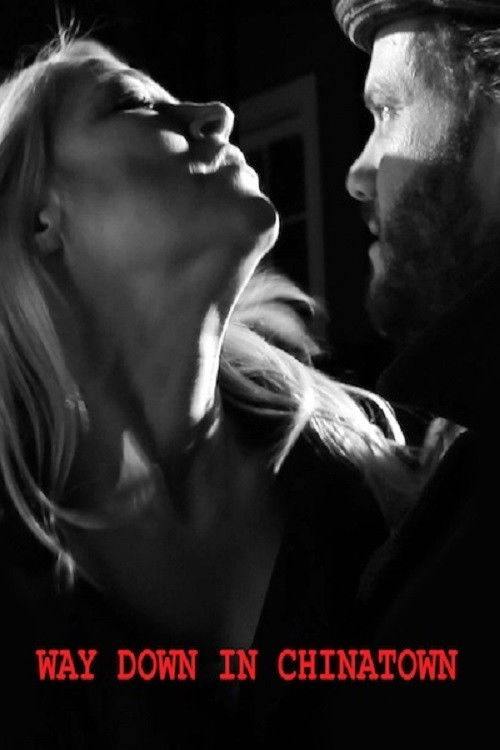
Way Down in Chinatown(2013)
About Way Down in Chinatown
As playwright Victor and director Jessica Mitchum venture into their new dark musical, "Apocalypse Tomorrow" (inspired by Leadbelly's "Goodnight Irene") they suddenly find themselves seduced by an underworld that is being created to preserve the few. WAY DOWN IN CHINATOWN is a surrealistic horror film in the same vein as "Eraserhead" and "The Rocky Horror Picture Show."
Navigating the blurred lines between artistic obsession and nightmarish reality, Way Down in Chinatown offers a distinct departure from traditional genre filmmaking. Released in 2013, the film functions as a fever dream for cinephiles who appreciate the avant-garde sensibilities found in early David Lynch projects or the campy, theatrical rebellion of cult classics. By centering its narrative on the volatile creative partnership between a playwright and a director, the film explores the psychological toll of bringing a dark, high-stakes musical to the stage. As the production of their fictional show Apocalypse Tomorrow spirals into an exploration of an insular, hidden society, the story pivots from a standard behind the scenes drama into a surreal descent that challenges the viewer to distinguish between performance and genuine peril.
The film stands out for its deliberate tonal shifts and its commitment to a bizarre, otherworldly atmosphere that feels deliberately unmoored from conventional storytelling. While international audiences often turn to the vibrant, high-budget spectacles of the Hindi or Telugu industries for escapism, this project serves a completely different niche of cinema. It is tailored for fans of experimental horror who prefer psychological unease over jump scares and those who enjoy dissecting the thin veil separating the artist from their creation. The inclusion of faces like Maria Olsen and Lisa Loring adds a layer of genre credibility that anchors the more abstract elements of the plot, providing a bridge between classic horror tropes and the film’s more modern, offbeat stylistic choices.
For viewers who enjoy dissecting metaphors about the preservation of elite bubbles and the cost of creative ambition, this production provides plenty of thematic fodder. It does not aim for mass-market appeal but instead cultivates a specific, unsettling aesthetic that lingers long after the credits roll. By eschewing linear progression in favor of a fragmented, hallucinatory structure, the director creates an environment where the environment itself feels like a primary antagonist. Those who find comfort in the strange, the grotesque, and the visually provocative will likely find this an intriguing addition to their watch list. It remains a fascinating relic for anyone interested in how low-budget, independent filmmaking can effectively use atmosphere to transcend the limitations of its scope, offering a haunting look at the madness inherent in the pursuit of artistic perfection.