
About We Live in Time
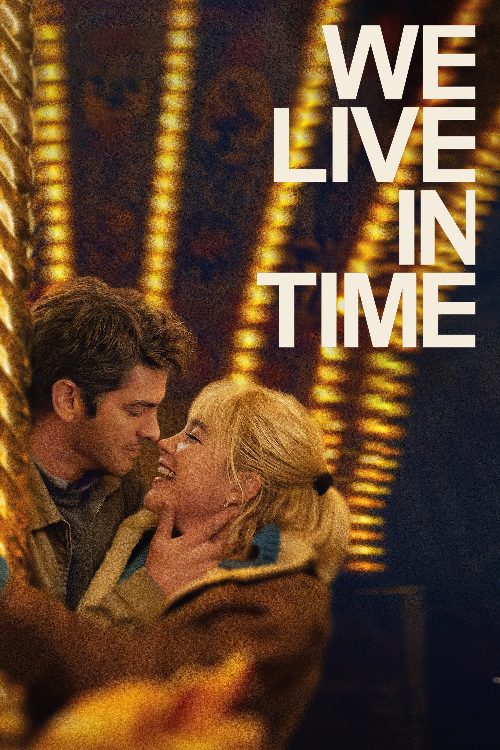
An up-and-coming chef and a recent divorcée find their lives forever changed when a chance encounter brings them together, in a decade-spanning, deeply moving romance.
The architecture of modern romance often relies on grand gestures and sweeping cinematic tropes, but We Live in Time opts for a more grounded, intimate exploration of how fleeting moments crystallize into a lifetime of shared history. By weaving together disparate threads of a relationship across several years, the film mirrors the current shift in global cinema toward non-linear storytelling that prioritizes emotional authenticity over tidy narrative arcs. While many contemporary romances attempt to capture the spark of a first meeting, this production distinguishes itself by examining the mundane, often difficult reality of what happens long after the initial attraction fades. It feels less like a traditional love story and more like a meditation on the fragility of human connection in an increasingly fast-paced world.
For audiences familiar with the intense emotional landscapes found in the best of recent Malayalam or Telugu romantic dramas, where the focus remains steadfastly on the chemistry and psychological evolution of the protagonists, this film will feel remarkably resonant. The narrative structure challenges the viewer to piece together the emotional timeline of its leads, Kemal Shah and his co-stars, grounding the performances in a sense of lived-in realism that avoids the glossy artifice common in mainstream English-language features. The choice to frame the story through the lens of a culinary professional and a woman navigating the complexities of a past marriage allows the script to touch upon themes of professional ambition and personal healing without succumbing to melodrama.
This is a film tailored for those who prefer their dramas with a high quotient of sincerity and a willingness to embrace the bittersweet nature of time. It avoids the easy traps of the genre, choosing instead to present love as a sequence of choices rather than a singular, magical event. By focusing on the quiet shifts in character dynamics, the direction ensures that the audience remains anchored to the human stakes of the story. It stands as a sophisticated addition to the international romantic drama circuit, perfectly suited for viewers who appreciate nuanced performances that favor subtlety over spectacle. Those who seek out character-driven narratives that linger in the mind long after the credits roll will find much to admire in this patient, evocative portrait of a relationship unfolding against the relentless progression of the clock.
Cast(30)