About We Need to Talk About Kevin
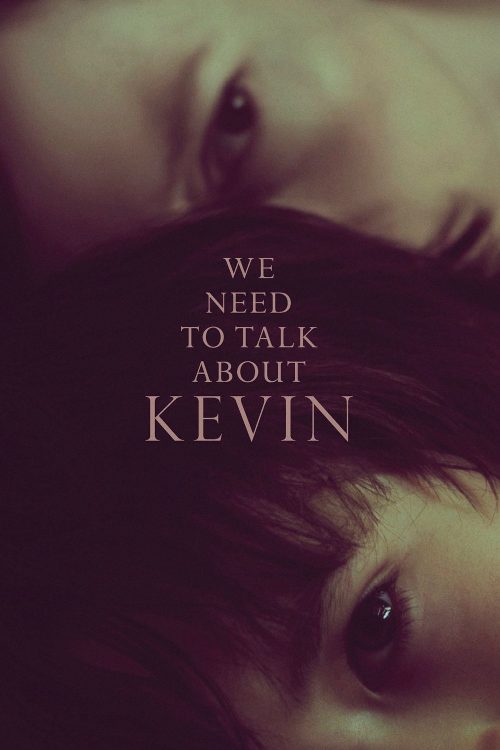
After her son Kevin commits a horrific act, troubled mother Eva reflects on her complicated relationship with her disturbed son as he grew from a toddler into a teenager.
Few cinematic experiences manage to burrow under the skin with the cold, clinical precision found in Lynne Ramsay’s haunting character study. While global audiences have become accustomed to the high-octane thrills often found in the blockbuster-heavy landscapes of the Telugu or Hindi film industries, this psychological drama offers a starkly different texture. It eschews external pyrotechnics in favor of an internal, suffocating tension, focusing on the fractured psyche of a parent grappling with the inexplicable darkness lurking within her own child. By dissecting the frayed threads of domestic life, the film forces viewers to confront the uncomfortable reality that some connections are defined more by suspicion and dread than by traditional nurturing instincts.
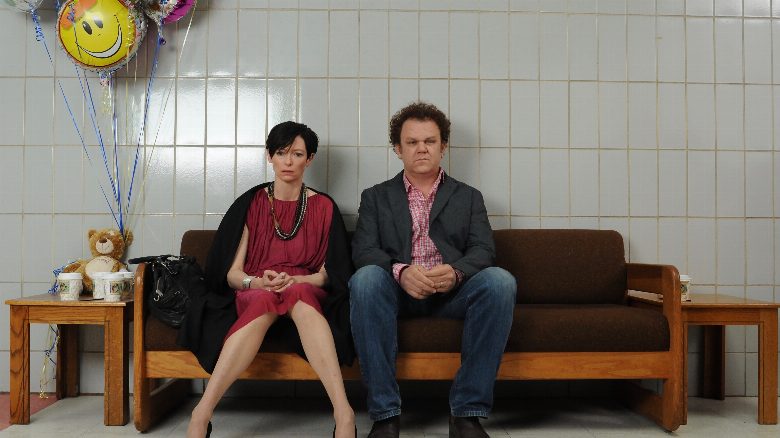
The narrative structure serves as a masterclass in subjective storytelling, utilizing a non-linear approach that mirrors the protagonist’s shattered memories. For fans of Indian cinema who appreciate the slow-burn intensity of recent psychological thrillers emerging from the Malayalam or Tamil industries, this film provides a similarly rigorous examination of human behavior. It is not a casual watch, but rather a demanding piece of art that invites reflection on the nature of guilt and the societal burden placed upon mothers when their offspring deviate from conventional moral paths. Tilda Swinton delivers a performance of profound vulnerability, grounding the story as it navigates the transition from the trivialities of early childhood to the catastrophic weight of adolescence.
Those who gravitate toward stories that defy easy categorization will find much to dissect here. It functions less as a conventional thriller and more as an autopsy of a family unit that never quite bonded, making it a compelling choice for viewers who value atmosphere over action. The film’s visual language is as sharp as its script, using a distinct color palette and deliberate framing to emphasize Eva’s growing isolation from the world around her. By stripping away the comfort of a clear-cut villain or a simple explanation, it places the audience in an impossible position, mirroring the confusion and moral paralysis of its central figure. Whether one views it as a cautionary tale or a deep dive into the limits of maternal love, the impact remains undeniable long after the final frames fade. It stands as a testament to the power of independent filmmaking to disturb, challenge, and ultimately redefine the boundaries of the genre.
Cast(44)