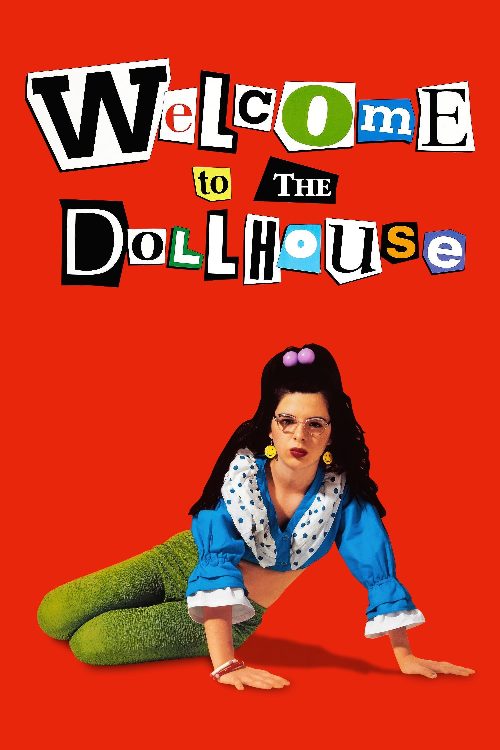
About Welcome to the Dollhouse
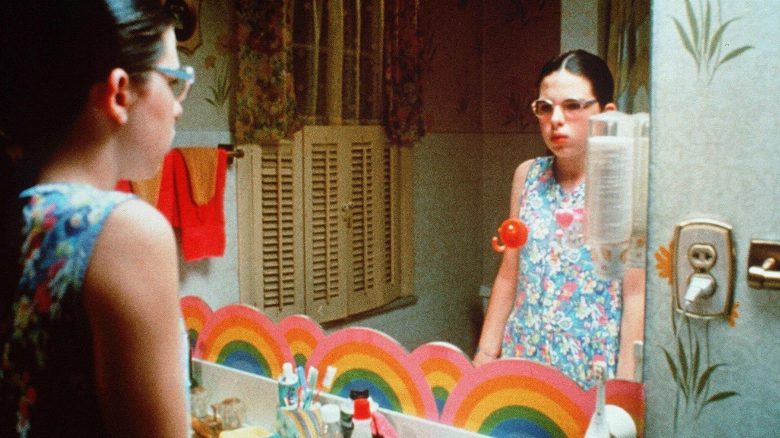
An unattractive 7th grader struggles to cope with suburban life as the middle child with inattentive parents and bullies at school.
Todd Solondz carved out a permanent space in the landscape of independent American cinema with this biting portrait of adolescent alienation, a film that remains as uncomfortable as it is essential. While contemporary Indian cinema often leans into the grandeur of family sagas or the high-octane energy of regional action epics, Welcome to the Dollhouse offers a stark, minimalist contrast that strips away all romanticism from the coming-of-age narrative. It captures the agonizing transition of seventh grade with a level of brutal honesty that few films from the nineties dared to touch, focusing on a protagonist who exists entirely on the fringes of her own social sphere. By refusing to soften the edges of its central character or the cruelty of her peers, the film transcends standard high school tropes to explore the universal, often grotesque nature of feeling invisible within one's own home and community.
For viewers who appreciate the darker, more introspective side of human behavior, this story serves as a masterclass in tone. It eschews the comfort of a traditional underdog arc, instead inviting the audience to inhabit a world defined by awkwardness, social hierarchy, and the quiet despair of suburban monotony. Fans of intense character studies will find the lead performance particularly striking, as it grounds the more absurd elements of the plot in a painful reality that feels both specific and hauntingly familiar. The film succeeds because it treats the mundane tragedies of childhood with the same gravity usually reserved for epic dramas, making it a pivotal entry for anyone interested in how low-budget, independent filmmaking can articulate complex emotional states without needing grand spectacle.
Even decades after its initial release, the film maintains a reputation as a litmus test for a viewer's tolerance for cynicism. It does not provide the emotional catharsis that audiences have come to expect from modern mainstream releases, choosing instead to linger in the discomfort of its own premise. This makes it an ideal pick for cinephiles who look for films that challenge the status quo of storytelling, particularly those who enjoy the works of directors who prioritize psychological accuracy over audience pandering. It stands as a defiant monument to the awkward, unvarnished truth of youth, ensuring that its influence continues to ripple through independent narratives that dare to look at the messy, unglamorous reality of growing up.
Cast(30)