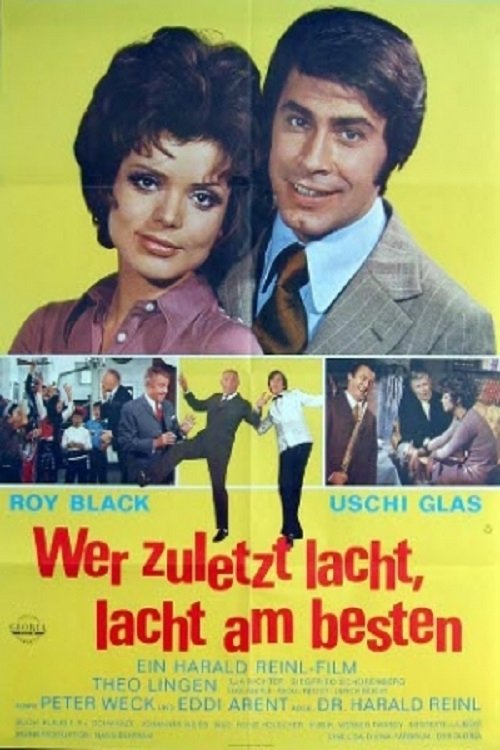
About Wer zuletzt lacht, lacht am besten
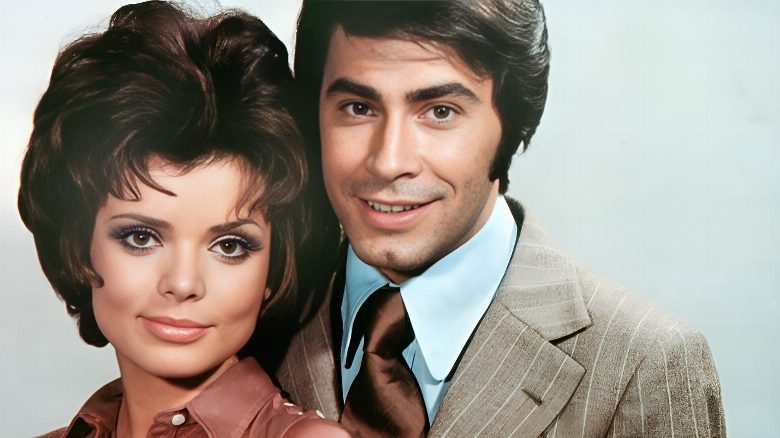
The days of the Schlosshotel Seefels appear to be numbered. Hotelier Theo Frobenius is forced to sell his hotel to group boss Mertens in the face of massive competition. Frobenius learns that Mertens wants to secretly inspect the hotel. In order to drive up the price, the hotelier wants to make him believe that the business is flourishing.
In the annals of 1970s German cinema, Harald Reinl's Wer zuletzt lacht, lacht am besten stands out as a delightful period piece, offering a lighthearted escape into the world of resort town shenanigans. This 1971 comedy, infused with musical elements, centers on a classic premise: a proprietor desperately trying to save his beloved establishment from financial ruin. Theo Frobenius, the owner of the picturesque Schlosshotel Seefels, faces the grim prospect of selling his family business to a powerful conglomerate led by the shrewd Mertens. However, Frobenius hatches a cunning plan upon learning of Mertens' impending incognito visit: to orchestrate a grand charade that paints his hotel as a booming success, thereby inflating its value and perhaps even scaring off the prospective buyer. This setup promises a cascade of humorous misunderstandings and frantic efforts to maintain the illusion, making it a quintessential screwball comedy of its era.
The film's charm lies in its commitment to this elaborate deception, a narrative device that still resonates with audiences who enjoy stories of underdog protagonists outsmarting formidable opponents. Wer zuletzt lacht, lacht am besten, or "He who laughs last, laughs best," perfectly encapsulates the spirit of Frobenius's gamble. Directed by Harald Reinl, a prolific filmmaker known for his diverse portfolio ranging from Karl May adaptations to crime thrillers, this film showcases his lighter touch. Reinl's experience in crafting engaging narratives ensures that the comedic timing and character interactions are well-executed. The ensemble cast, featuring Peter Matzer, Siegfried Schürenberg, and Margot Mahler, contributes to the film's lively atmosphere, with their performances likely adding layers to the unfolding farcical situations.
For viewers who appreciate classic European comedies with a touch of musical flair, this German production offers a nostalgic trip back to a simpler time of cinematic storytelling. It's particularly suited for those who enjoy films where wit and trickery are employed against corporate might, all wrapped in a family-friendly package. The film's setting, a grand hotel, also provides ample opportunities for visual gags and the kind of ensemble dynamics that thrive in confined, bustling environments. While not as widely known globally as some contemporary Indian films like the situational comedies of the Telugu or Hindi industries, Wer zuletzt lacht, lacht am besten shares a common thread with such cinema in its universal appeal for tales of everyday people navigating extraordinary circumstances with humor and heart. It's a testament to the enduring appeal of a well-told story about resilience and the power of a good laugh.
Cast(15)