About What a Crazy World
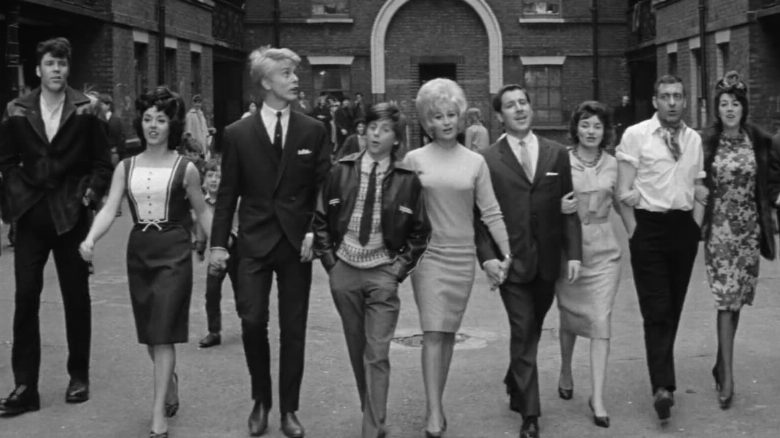
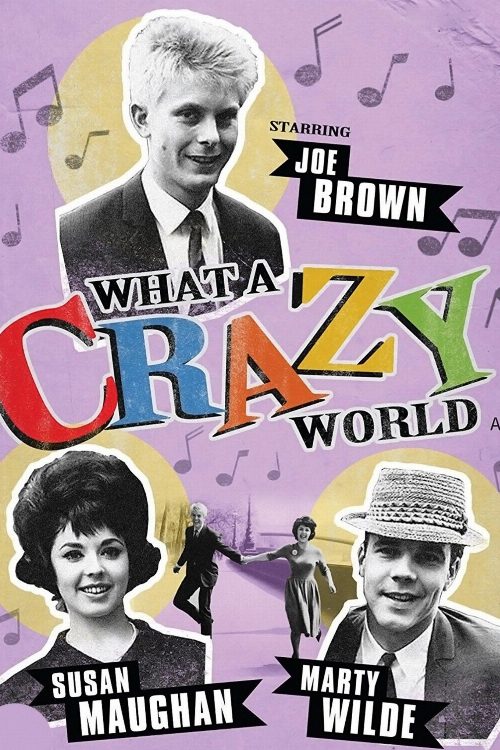
Unemployed East End lad Alf Hitchens has an on-off relationship with his girlfriend Marilyn and a dream of hitting the big time in the music business. Cheerful pop musical with a working-class background which uses a number of genuine London locations.
Stepping into the vibrant, soot-stained charm of 1963 London, What a Crazy World serves as a fascinating time capsule for those interested in the evolution of the British musical. While modern viewers might be more accustomed to the high-octane song and dance spectacles emerging from contemporary Indian industries like Tollywood or Bollywood, this film offers a grounded, rhythmic look at the aspirations of the working class. The story centers on Alf Hitchens, a young man from the East End grappling with the dual pressures of romantic instability and the crushing monotony of unemployment. His journey is fueled by a desperate ambition to break into the music industry, transforming his mundane reality into a stage for youthful expression. Unlike the stylized, often escapist narratives that dominate global cinema today, this picture leans heavily into its geographic roots, utilizing genuine city streets to ground its narrative in a tangible, recognizable reality.
For audiences who appreciate the cultural specificity found in Malayalam or Tamil cinema, the film provides a similar sense of regional identity, capturing the unique dialect, humor, and social ethos of its setting. It functions as a precursor to the kitchen-sink dramas that would later define much of British social realism, albeit wrapped in the infectious, upbeat energy of early sixties pop. The musical numbers are not merely interruptions but essential reflections of the protagonist's inner world and his frustration with his surroundings. The chemistry between the cast brings a raw, unpolished authenticity to the screen that feels refreshing even decades later. It is an ideal watch for students of film history or those who enjoy stories about the intersection of poverty and creative ambition, offering a glimpse into a bygone era of metropolitan life that feels both quaint and surprisingly relatable.
The film stands out for its refusal to romanticize the struggles of its lead, instead finding a kinetic, musical energy within the everyday grind. By focusing on the dreams of someone on the fringes of economic stability, the narrative taps into a universal theme that resonates just as strongly in the modern Indian film landscape as it did in mid-century Britain. Those who find joy in films that balance social commentary with lighthearted musical sequences will likely find this project a worthwhile addition to their watchlist. Its ability to maintain a cheerful disposition despite the harsh realities of its environment is a testament to the creative spirit of the period. It remains a notable piece of British pop culture, inviting viewers to experience a moment in time where the aspirations of a young man from the East End mirror the universal desire for success against the odds.
Cast(29)