About Wild Orchids
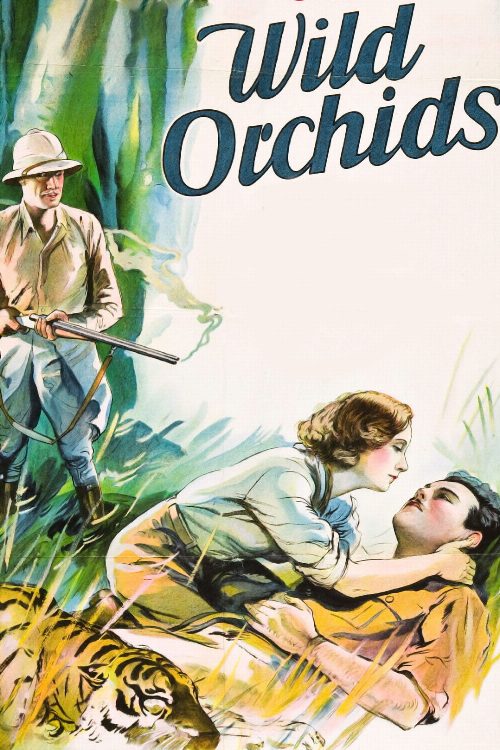
A prince in Java tries to seduce his visitor's wife, but he's discovered.
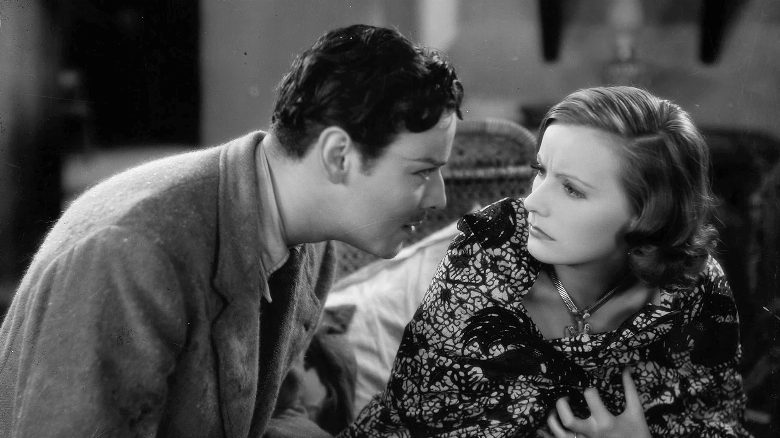
Few cinematic artifacts from the late silent era capture the magnetic pull of star power quite like Wild Orchids. Released in 1929, the film serves as a quintessential showcase for Greta Garbo, whose ability to convey intense longing through minimal gesture remains a masterclass in screen acting. Set against the lush, exoticized backdrop of colonial Java, the story weaves a delicate web of domestic tension and forbidden temptation. While modern audiences often gravitate toward the high-octane spectacle of current pan-Indian hits or the gritty realism of contemporary international dramas, this film offers a fascinating look at the early architecture of the romantic thriller. It functions as a time capsule, preserving a specific style of Hollywood storytelling that relied heavily on atmosphere and the unspoken chemistry between its leads to drive the emotional stakes.
The narrative structure follows a classic triangle of desire and betrayal, positioning a reserved husband against a charismatic, predatory aristocrat who seeks to disrupt the marital harmony of his guests. For viewers interested in the evolution of cinema, the film is particularly notable for how it handles the limitations of the silent medium, using shadow and subtle glances to heighten the sense of impending scandal. It is a precursor to the psychological dramas that would later dominate the mid-century landscape, proving that even a century ago, the tension between duty and raw instinct was a universal hook for audiences. The inclusion of Nils Asther as the alluring prince provides a sharp contrast to the more stoic presence of Lewis Stone, creating a dynamic that feels remarkably sophisticated for its time.
Those who appreciate the aesthetic grandeur of period pieces or the iconic legacy of the studio system will find much to admire here. While the film lacks the frantic pacing of today’s blockbusters, it rewards the patient viewer with a deep dive into the art of the close-up and the power of visual storytelling. Sidney Franklin demonstrates a keen eye for framing the inherent drama of the setting, turning the landscape itself into an active participant in the unfolding conflict. As we continue to bridge the gap between global cinematic traditions, revisiting such foundational works reminds us that the core elements of human drama—jealousy, attraction, and the fragile nature of trust—remain constant regardless of the language or the decade. It is a compelling pick for anyone looking to understand the roots of the romantic tension that remains a staple of global cinema today.
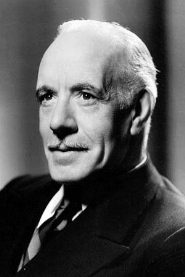
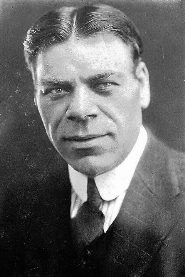
Cast(4)

Crew
Director of Photography
Art Direction
Director
Costume Design
Editor
Similar Films