About Youngblood
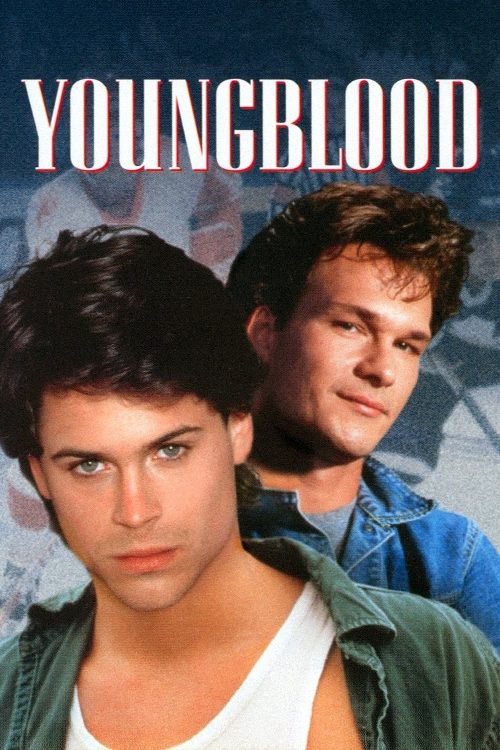
A skilled young hockey prospect hoping to attract the attention of professional scouts is pressured to show that he can fight if challenged during his stay in a Canadian minor hockey town. His on-ice activities are complicated by his relationship with the coach's daughter.
Tracing the trajectory of mid-eighties sports cinema reveals an era where physical grit and romantic tension often collided on the frozen rink. Youngblood stands as a quintessential artifact of this period, anchoring its narrative in the high-stakes world of junior hockey where the transition from amateur talent to professional hopeful is fraught with intimidation and moral dilemmas. While contemporary audiences might be accustomed to the polished, tactical focus of modern sports dramas, this film leans into the raw, brawling energy that defined the sport during that decade. It serves as a fascinating time capsule of a specific North American cultural obsession, capturing a moment when the toughness of an athlete was measured as much by their ability to drop the gloves as by their prowess with a hockey stick.
For viewers who appreciate the evolution of the genre, this film offers a compelling look at the early career dynamics of stars like Rob Lowe and Patrick Swayze. The narrative structure follows the classic hero journey but complicates it with the gritty realities of a minor league circuit, where the pressure to conform to a violent culture often clashes with personal integrity. This thematic tension is mirrored in the protagonist's private life, as his burgeoning romance with the coach's daughter adds a layer of vulnerability to a character otherwise defined by his need to prove his physical mettle. It is this intersection of high-octane competitive pressure and intimate personal stakes that keeps the story grounded despite the familiar tropes of the underdog sports narrative.
The film serves as a poignant reminder of how regional sports culture was depicted on screen before the era of digital spectacle, favoring practical stunt work and authentic, albeit rough, character interactions. Fans of vintage eighties cinema who gravitate toward stories about coming of age in high-pressure environments will find much to admire here. It is not merely a tale about scoring goals but an examination of the social hierarchy within a team and the cost of earning one's place in a demanding community. By eschewing the polished veneer of today's sports biopics, the film provides an unvarnished look at the internal conflict between personal ambition and the expectations of peers, making it a recurring point of interest for those tracking the development of the sports drama as a staple of global entertainment.
Cast(12)