About Zejtune
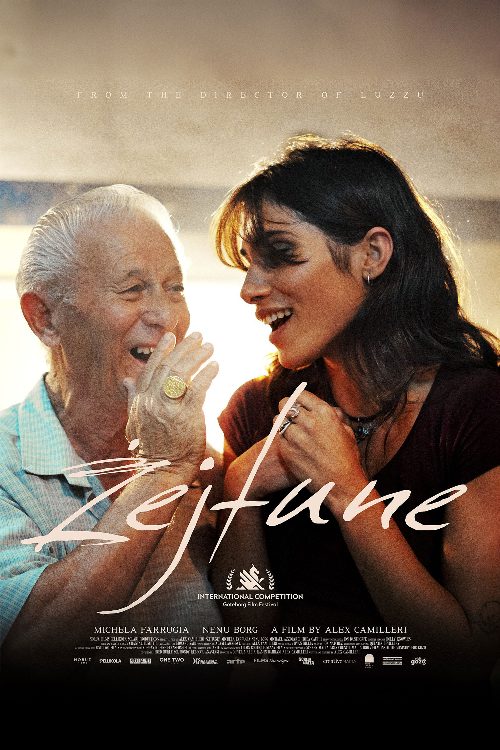
Mar is ready to leave the tiny island of Malta behind, and her estranged mother’s death gives her the perfect way out: an inheritance of valuable farmland that she can sell. But when greedy relatives contest her claim, Mar’s plans hit a snag. As she fights to secure her future, Mar meets Nenu, a spirited troubadour whose vibrant folk songs, rooted in Malta’s ancient għana tradition, awaken emotions she’s long buried.
The Mediterranean landscape serves as more than just a backdrop in Zejtune, a poignant drama that captures the tension between ancestral legacy and the restless desire for a new beginning. Directed by Alex Camilleri, the film ventures into the heart of Maltese culture, utilizing the fading art of ghana, or traditional folk singing, to anchor its emotional narrative. For audiences accustomed to the high-stakes family dramas common in Indian cinema, where property disputes often serve as a catalyst for profound character evolution, this story will feel both familiar and refreshingly distinct. The film navigates the universal struggle of a protagonist caught between the heavy expectations of her lineage and the siren call of a life beyond her island home.
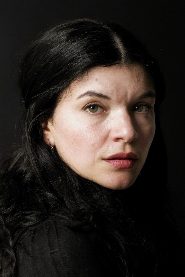
Michela Farrugia delivers a performance that appears poised to define her career, portraying Mar as a woman whose defensive walls are slowly dismantled by the unexpected interference of a local troubadour. The chemistry between Farrugia and Mike Parish, who plays the spirited Nenu, provides the film with its rhythmic soul. By weaving the lyrical storytelling of traditional Maltese music into the fabric of a modern property inheritance conflict, Camilleri ensures that the film transcends the tropes of a standard family dispute. It is a contemplative piece that prioritizes internal transformation over explosive confrontation, making it an ideal watch for viewers who appreciate character-driven narratives that emphasize cultural heritage.
Those who have followed the recent global surge in regional dramas will likely find Zejtune a welcome addition to the international festival circuit. While the film is rooted in the specific geography of Malta, its core themes—the burden of grief, the complexities of familial duty, and the search for authentic identity—are resonant with the storytelling styles prevalent in the Malayalam and Tamil industries. The cinematography captures the stark beauty of the Maltese countryside, turning the contested farmland into a character in its own right. This is an evocative, slow-burn cinematic experience that invites the audience to slow down and listen to the stories etched into the landscape, proving that even the most insular family conflicts can carry a profound, global weight. By balancing the grit of legal hurdles with the ethereal quality of folk music, the production stands as a testament to the power of tradition in a rapidly changing world.